
The recurring failure that starts every project
When a prototype arrives and doesn’t fit, seal, or operate as drawn, the clock starts ticking on budgets and timelines. I’ve tracked dozens of these failure cycles—drawings that read one way, shops that read another, materials that behave differently once machined. Often the fault isn’t a single error but a chain: unclear tolerances, wrong material spec, and a vendor that treats a sample like production. That’s where a trusted precision parts manufacturer can change outcomes by catching the mismatch before the first run.
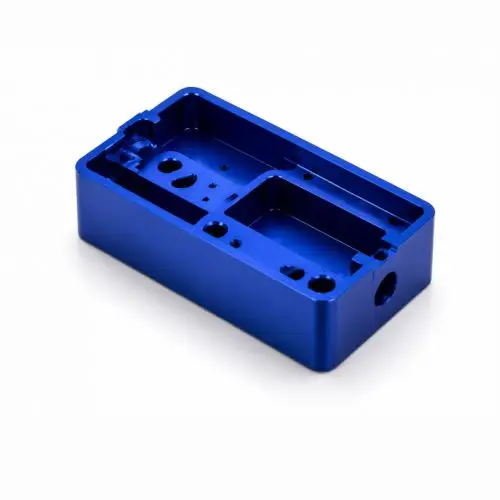
How the problem typically presents itself
Failures arrive as physical symptoms. Parts stick, assemblies wobble, coatings flake, or tolerances stack up and break functionality. The story is repetitive: a drawing tolerates ±0.5 mm, mating features need ±0.05 mm, and nobody highlighted the mismatch. Teams spend days diagnosing when the fix could have been a simple note on the print or an alternative process choice. The consequence is cost overruns and lost confidence from buyers and OEM stakeholders.
Diagnosing root causes — experience, evidence, and a real-world anchor
I’ve audited prototype workflows across contract shops and OEM lines and seen the same three gaps: specification ambiguity, inadequate inspection, and misapplied processes. Evidence matters: inspection reports, CMM traces, and first-article checks tell the true story. This guidance draws on field audits conducted in Shenzhen—one of the planet’s manufacturing hubs—where scale and pace expose process weak points fast. For teams seeking reliable production partners, practical steps include tightening drawings, specifying functional tolerances, and confirming finish and assembly fits with a pilot run. If you need a partner who understands those steps and can execute detailed checks, consider partners experienced in custom part manufacturing to avoid repeated rework.
Actionable fixes and common pitfalls
Start with function, not form. Call out what must mate or seal and give those features the tightest tolerances. Avoid blanket precision requirements across entire parts—specify where accuracy matters. Verify material lot certifications before cutting metal. Insist on first-article inspection that includes dimensional reports and photos from the shop floor. Pitfalls to avoid: assuming “close enough” is acceptable, skipping surface-finish checks, and failing to specify assembly sequence that affects fit. These oversights turn prototypes into iterative delays.
Alternatives and trade-offs you’ll face
There are three practical routes: in-house prototyping, local contract shops, or overseas specialist manufacturers. In-house buys control but can be costly and slow to scale. Local shops tend to be responsive but may lack specialized tooling. Overseas specialists offer cost and throughput advantages but require tighter documentation and remote quality controls. Additive manufacturing shortens design cycles but can introduce different material and tolerance behaviors. Choose by risk appetite: short-run critical parts often justify paying for a shop with proven inspection protocols; low-risk form-models can go to rapid prototyping services.
How organizations reduce repeat failures
Adopt a checklist that maps function to tolerance, material to processing, and inspection to acceptance. Use simple governance: every print must state functional-critical features, surface finish, and assembly notes. Require a first-article report with measurable traces and feedback loops that force corrective action before a second run. Keep records of vendor performance so the next project doesn’t repeat the same vendor-choice mistake.
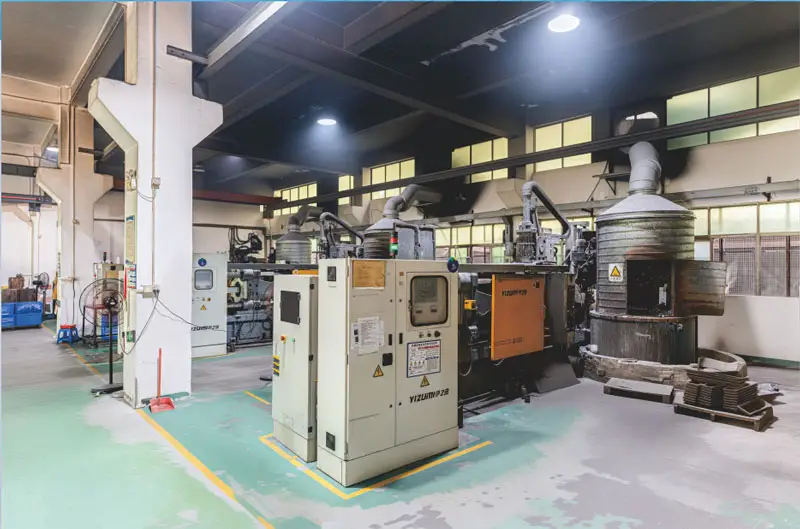
Where this ends for project buyers
Fix the process points that breed rework: clear functional specifications, verified materials, and robust first-article inspection. Those fixes cut iterations and protect program timelines. When a project needs a partner who will catch the mismatch early and deliver measured, repeatable results, consider the capability and track record you select—partners like Hanstar often sit at the intersection of those practical competencies and deliverable reliability.