
Problem first: why your Tyvek pouch might be failing the moment you open it
Custom Tyvek pouches are praised for breathability and microbial barrier properties, yet they keep tripping up sterile packaging teams because of particulate contamination and outgassing that show up after sealing. This is a materials-and-process problem as much as it is a design one. At industry gatherings like medical device manufacturing trade shows, engineers often point to three recurring failure modes: particle shedding from substrates, volatile emissions from inks or adhesives, and improper cleanroom handling during pouch formation. Those are the friction points between laboratory specs and on-the-line reality.
Root causes mapped, in plain terms
Particulate contamination usually stems from the supply chain (non-certified Tyvek lots), conversion processes (slitting, folding), or cleanroom protocols that slip. Outgassing often comes from adhesives, ink on labels, or contamination trapped during lamination. Both issues show up as surface particles, deposits on device interfaces, or unexpected residues that compromise sterilization. Industry terms to keep in mind here: Tyvek, outgassing, particulate contamination, and cleanroom class limits per ISO 14644.
Standards and testing you should actually use
Follow these recognized standards and specific parts to structure validation and avoid ambiguous claims:
– ISO 11607-1 — Packaging for terminally sterilized medical devices: Requirements for materials, sterile barrier systems and packaging systems.
– ISO 11607-2 — Packaging for terminally sterilized medical devices: Validation requirements for forming, sealing and assembly processes.
– ISO 14644-1 — Classification of air cleanliness by particle concentration.

Include bioburden checks with a 14-day incubation limit for retention samples where relevant, and run outgassing/volatile organic compound (VOC) screening during accelerated aging to catch delayed emissions.
Practical fixes that save time on the line
Design and process changes yield the best ROI. Consolidate these actions:
– Source Tyvek from certified suppliers and audit lot traceability.
– Use low-VOC adhesives and test label inks in an accelerated aging chamber before production.
– Optimize pouch geometry to reduce creases where particulates can lodge, and implement particle monitoring at slitting and sealing stations.
– Train operators on gowning and transfer protocols that align with the declared cleanroom class (ISO 14644-1 limits), and document retention sample testing (14-day bioburden) as routine.
Common mistakes teams keep making — and how to stop
People often assume Tyvek is inert and that a cleanroom badge equals contamination-free production. Both assumptions are risky. Adhesive selection is treated as an afterthought. Shelf-life and accelerated aging are skipped. Validation is sometimes run once and then shelved — yet process drift happens. Fix the habit: tie material approvals to ongoing lot testing and require re-validation after any supplier change.
Alternatives and trade-offs
If Tyvek’s outgassing or particle profile won’t meet your device tolerances, consider laminated barrier films or high-barrier pouches that are compatible with your sterilization method (e.g., validated for EO or steam). Trade-offs include reduced breathability for sterilization gases and potentially higher material costs. Balance barrier properties, sterilization compatibility, and bioburden control when selecting alternatives — label and adhesive choice still matter in every option.
How real teams proved this works
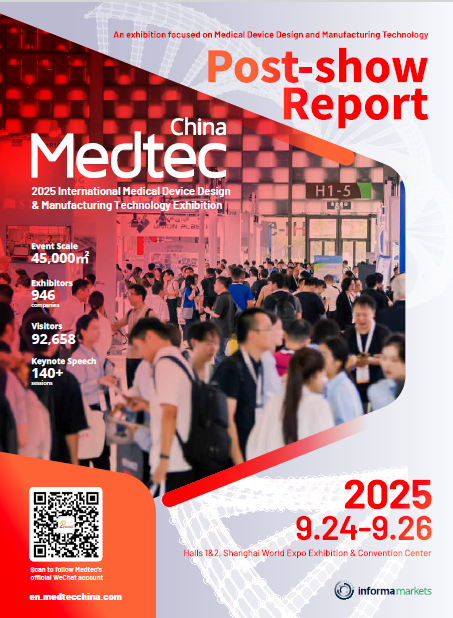
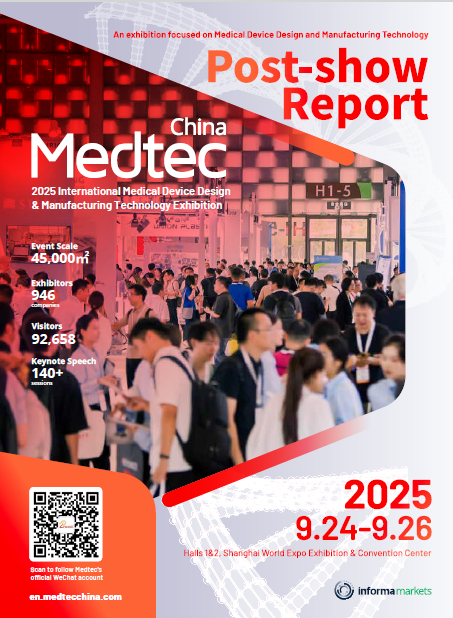
At a recent medical device design and manufacturing expo in Shanghai, a packaging vendor demoed a combined approach: certified Tyvek, low-VOC adhesive, and inline particle counters at sealing. A pilot line cut particulate rejects by half and reduced rework time. That kind of event-driven feedback is a practical anchor — it shows what passes beyond theory into reproducible production gains.
Advisory: three golden rules for evaluating your packaging strategy
1) Material traceability and lot testing: demand certificates and run periodic particle and VOC screening.
2) Process validation with clear acceptance criteria: use ISO 11607-1 and ISO 11607-2 as the backbone and document retention bioburden with a 14-day incubation when required.
3) Inline monitoring and supplier accountability: install particle counters at critical conversion steps and require change-notice procedures from your suppliers.
Final takeaway — clear, measurable improvements come from pairing material science with disciplined process controls; that’s where Medtec fits into the picture as a practical forum for finding vetted suppliers and real-world solutions. Medtec.
—