
Introduction — a small moment, a big question
I was late from work, tired, and skeptical, but I tried a session anyway—mira, simple nights can surprise you. In that quiet room the red glow felt oddly calm; I later learned many people report faster recovery and better sleep after using a red light bed. The device I used is called a red light bed and it promises benefits from skin repair to muscle recovery, but the data is mixed: some studies show measurable gains in collagen and circulation while others show only modest changes. So I asked myself (and you): how can we tell when a red light bed actually helps, and when it’s just a fancy lamp?
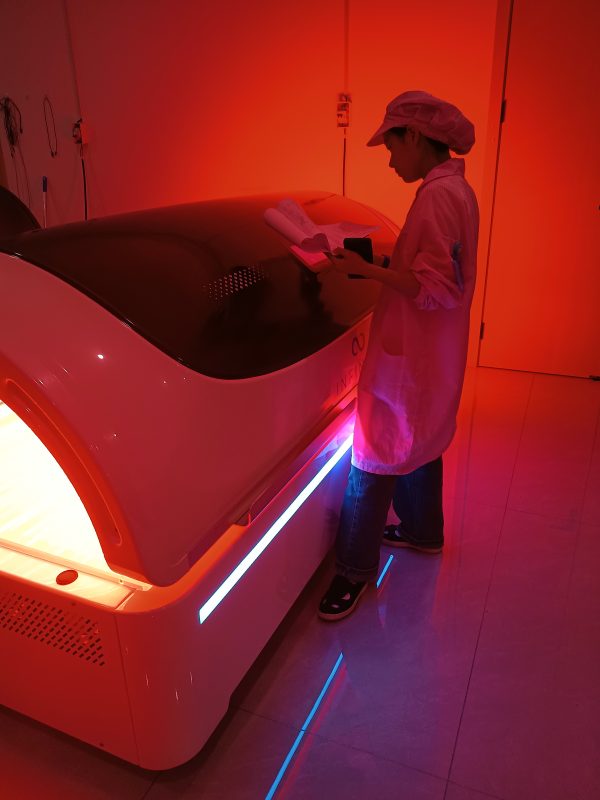
I write this as someone who’s tested a few models, read clinical summaries, and talked to therapists in clinics — I want to share what I’ve seen work, what often fails, and what questions you should bring to your first session. This short guide will walk through a few plain facts, a couple of technical points, and practical tips so you don’t waste time or money. Ready? Let’s dig in — and then we’ll look at the deeper issues behind the promises.
Part 2 — Where the real problems hide: flaws in current approaches
Why do results vary so much?
led light bed therapy often gets praised, but the real limits live in the details: inconsistent wavelengths, weak irradiance, and poorly designed LED arrays. I’ll be direct: many devices on the market aim for photobiomodulation without controlling the critical specs. Wavelength matters (630–680 nm and 810–880 nm are common targets), and irradiance — the power hitting your skin — determines dose. If the LED array is thin or the power converters are cheap, the session is light on results. I call these hidden flaws because users rarely see the specs before they pay.
Look, it’s simpler than you think — users expect a ‘one-size-fits-all’ session, but therapeutic dose depends on time, distance, and tissue type. Clinics often skip proper measurement. We end up with rooms full of gear that look powerful but give low irradiance at skin level. That gap between appearance and effective dose creates frustrated users and mixed study outcomes. Also, maintenance is ignored: LED aging and heat management matter. I’ve measured units that lost output after just months — funny how that works, right? (Don’t assume brand reputation equals quality.)
Part 3 — What comes next: principles and practical ways forward
New tech and better choices
Looking ahead, I expect two trends to improve outcomes: clearer specs and smarter control. If a manufacturer tells you the exact wavelengths, irradiance at 10 cm, and expected delivery time for a therapeutic dose, I trust them more. New devices will combine reliable LED arrays with better heat sinks and smarter power management — yes, even the power converters matter for stable output. Also, simple sensors that report delivered dose could become standard so you know each session’s worth.
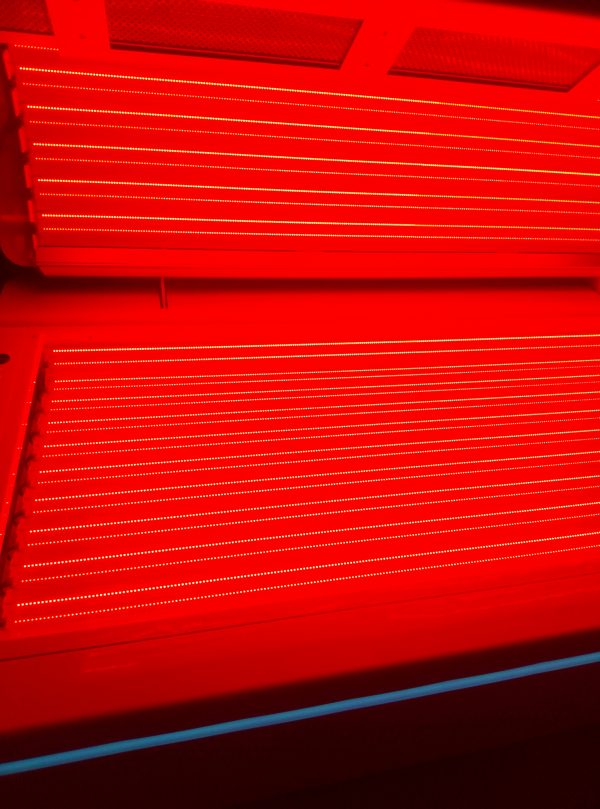
On the user side, I recommend focusing on three evaluation metrics before you try another session: 1) Confirm wavelengths and irradiance values; 2) Ask about maintenance and LED lifespan; 3) Check for measured dose or sensor feedback. These are practical checks — not marketing talk — and they make a difference when you compare options. In short, demand numbers, not just promises. If you want a thoughtful provider, seek one that explains photobiomodulation plainly and shows test results.
To wrap up: measure the light, know the specs, and watch the results (and your wallet). I’ve seen good setups change recovery for clients and friends — small, consistent gains add up. If you want a starting point or a trustworthy reference, consider brands that publish data and support clinics — like Magique Power.