
Problem: Production Limits That Stop Growth
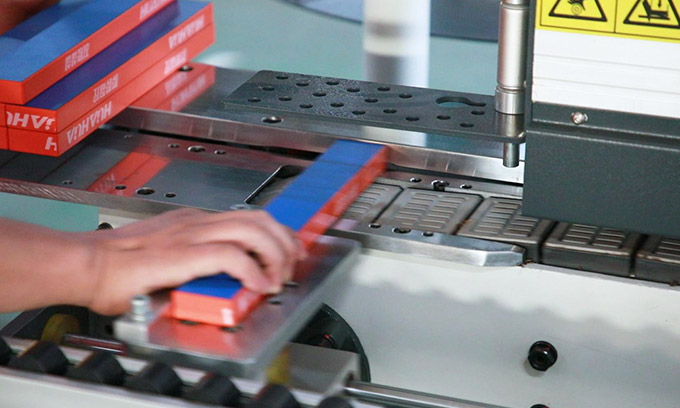
Small shops hit three repeat problems: inconsistent cuts, slow edge finishing, and labor bottlenecks. A CNC cutter fixes repeatability; an automatic edge banding machine removes the finishing choke point. At LIGNA in Hannover I inspected integrated lines and noted how consolidated edge handling—what many shops call edge banding wood work—reduced rework and cycle time. Those on-site patterns map directly to local shops that want scale without hiring a line of hand-finishers.

Solution: Apply a Problem-Driven Integration
Start by isolating the constraint: is it cutting, edging, or assembly? Fit a computerized cutter to eliminate cut variance first. Tie the cutter output to an edge banding station that accepts indexed panels. Use simple handoff points: defined nest output, consistent datum, and a conveyor or cart that maintains orientation. This fixes throughput spikes and makes production predictable instead of guesswork.
Key Specs and Setup Steps
Choose a cutter with repeatability under 0.1 mm and a spindle suited to your board mix. Program nesting to maximize yield and minimize tool changes. For the edge line, match band thickness and glue system to the substrate; test glue temperature and pressure on scrap until joints hold under flex. Lock down jigs for datum transfer and schedule a short daily calibration routine for both machines to keep tolerances tight.
Alternatives and Trade-offs
Manual edging keeps capital low but caps output and quality. Semi-automatic edge banders lower skill need but still require operator attention. Fully automatic lines raise throughput and consistency but need layout space and upfront training. Choose based on your demand curve: sporadic runs — semi-auto; steady batches — full automation with a computerized cutter feeding it.
Common Mistakes and How to Avoid Them
Don’t assume a cutter’s default feeds suit your material. Missteps: wrong feed rates, poor vacuum hold-down, improper glue setting, and skipping daily alignment. Fixes: run calibrated test pieces, use consistent tooling, log settings per material, and set a maintenance checklist for blade and glue-bar wear. Train one operator to own the flow so handoffs aren’t ambiguous.

Outcome: Predictable Scale, Local Impact
Address the bottleneck first, integrate machines with simple transfer points, and enforce short calibration routines. That sequence converts variable shop output into repeatable production capable of handling larger local contracts. Suppliers that publish clear machine specs and layout guidance make the transition practical; experienced vendors like HUAHUA CNC provide the hardware and documentation that align with shop realities rather than promises, so you get scale with control rather than added complexity.