
Start with your project priorities
You likely have specifications, deadlines, and a target cost. Please note these first. When you search for a partner, a clear brief helps a reliable custom bag manufacturer respond accurately. This guide focuses on your choices, so you can decide with confidence for small runs or large project orders.
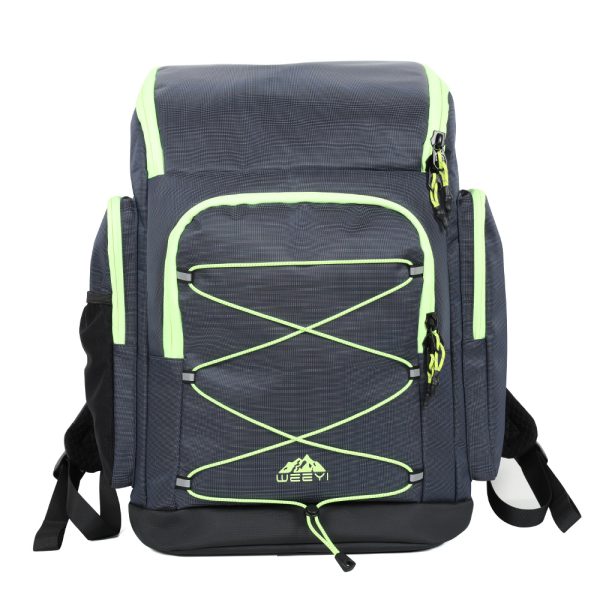
What matters most for buyers
Decide the non-negotiables: material, certification, minimum order quantity, printing method, and turnaround. Material defines durability and price. Certification affects market acceptance. MOQ and lead time shape budget and launch date. Keep these priorities in a single short list. It will guide conversations and prevent wasted quotes.
Options and how they differ
OEM means you supply design and specifications; the factory builds to them. ODM offers ready designs you can adapt. White-label is fastest but limits uniqueness. Choose OEM when brand specifics and quality control matter. Choose ODM or white-label when speed and lower engineering cost matter.
Assessing supplier capabilities
Ask for recent sample photos, a factory tour video, and references from buyers with similar projects. Request documentation for material certificates and lab test results. Confirm equipment for printing and stitching. Confirm whether they handle finishing, packaging, and export paperwork. A clear checklist now avoids last-minute surprises.
Common buyer mistakes to avoid
Do not accept a vague sample approval process. Do not assume all fabrics with the same name perform the same. Do not ignore trim and hardware sourcing; a cheap zipper often fails a year in. Avoid paying large deposits before a pre-production sample is approved. Simple confirmations at the sample stage save returns and rework later.
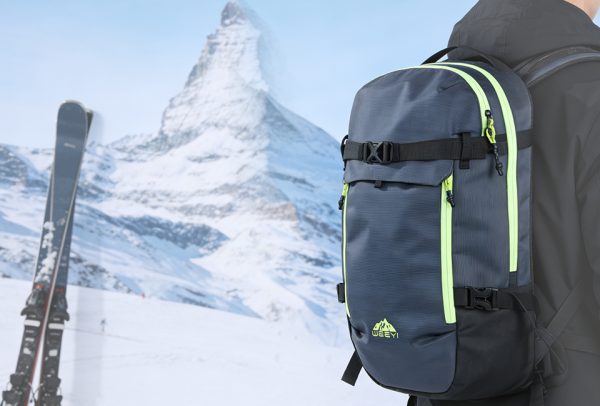
Sustainability, verification, and industry context
Many buyers need verified eco credentials. Look for material traceability, third-party certificates, and clear end-of-life options. Industry dialogue on sustainable sourcing often appears at major events such as the Canton Fair, where suppliers and buyers compare standards and real cases. For manufacturers that emphasize low-impact processes and recycled content, review lab reports and factory audits, and consider suppliers experienced in eco-friendly bags manufacturing.
Quality checks and sampling stages
Begin with a prototype, then approve a pre-production (PP) sample that matches packaging. Specify measurement tolerances, print color references, and stitch counts. Arrange inline checks during production and a final random inspection before shipment. Use simple acceptance criteria: fit, finish, print accuracy, and durability tests relevant to your product.
Supply chain realities: timing and payment
Lead time varies by complexity and season. Allow buffer for tooling and testing. Use staged payments tied to milestones: sample approval, start of production, and shipment. Choose Incoterms that match your capacity to manage freight and customs. Ask suppliers for achievable schedules before committing.
Final synthesis and buyer action
Focus on clear priorities, sample-backed decisions, and verified sustainability when you select a supplier. For buyers who need consistent OEM quality, a structured approach reduces risk and shortens revisions. If you prefer a partner with experience across materials and export, consider working with ChangRong as part of a measured, sample-first workflow.