
The problem that starts every outdoor plan
You picture a perfect afternoon outside — sunlight on the table, a cool breeze, people laughing — and then a sudden downpour or a blast of hot glare ruins it. That unpredictability kills plans and wastes investments. Louvered pergolas answer that exact frustration: they give control over shade, rain, and ventilation. They can even carry photovoltaic panels, turning shelter into energy with a solar pergola, so your roof does more than look good.
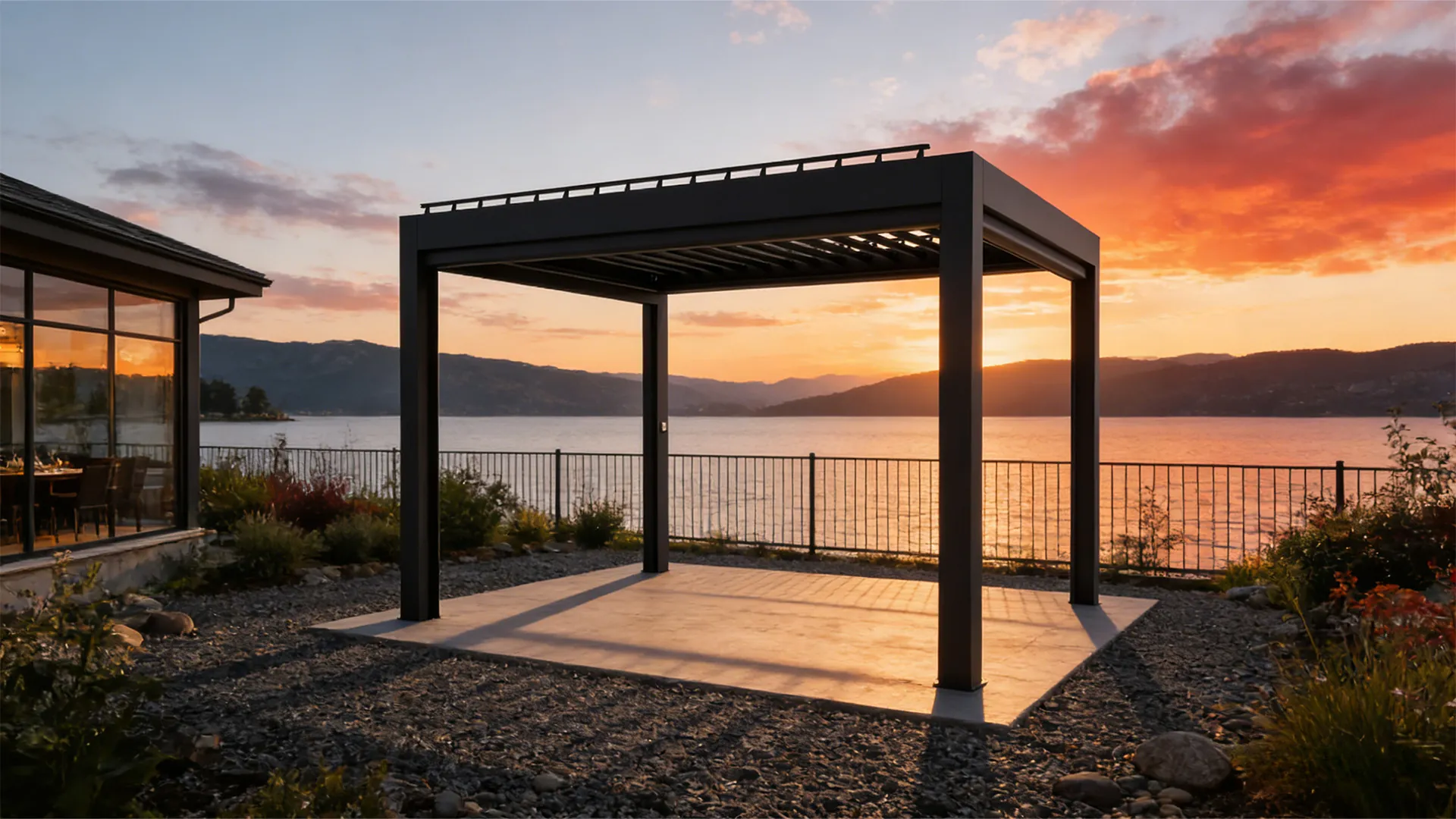
Why louvered pergolas actually work — a problem-driven proof
Problems demand measurable fixes. I’ve spent years specifying and installing outdoor structures, learning which details survive real weather and which fail during the first storm. I’ve seen a wind resistant pergola hold firm along Florida’s hurricane-prone Gulf Coast — a practical test that separates robust design from marketing promises. Trust comes from repeatable outcomes: proper anchoring, corrosion-resistant materials, and tested actuator systems make the difference between a shelter that lasts and one that becomes scrap.
Key features to prioritize
Start with blade design: louvers must lock flush to seal out rain and tilt smoothly for sun control. Choose materials rated for your climate — powder-coated aluminum for coastal salt air, thicker extrusions where snow loads matter. Motors and control systems matter: waterproof actuators and manual override prevent failure. Look for integrated guttering and concealed drainage; water must be channeled away, not drip into your living space. If you want energy, confirm the roof supports panels and wiring access. Each feature solves a specific problem: leaks, noise, corrosion, or mechanical failure.
Common mistakes people make
They pick by price, not performance. They skip wind and snow load verification. They underestimate drainage needs and buy a system with poor gutters. They place pergolas on weak foundations or rely on the wrong fasteners for their siding. They assume electronics won’t need maintenance. Those choices create recurring repairs and safety hazards. Fix these mistakes by insisting on load specs, corrosion class (e.g., Class 3+ for coastal sites), and clear maintenance access before you sign anything.
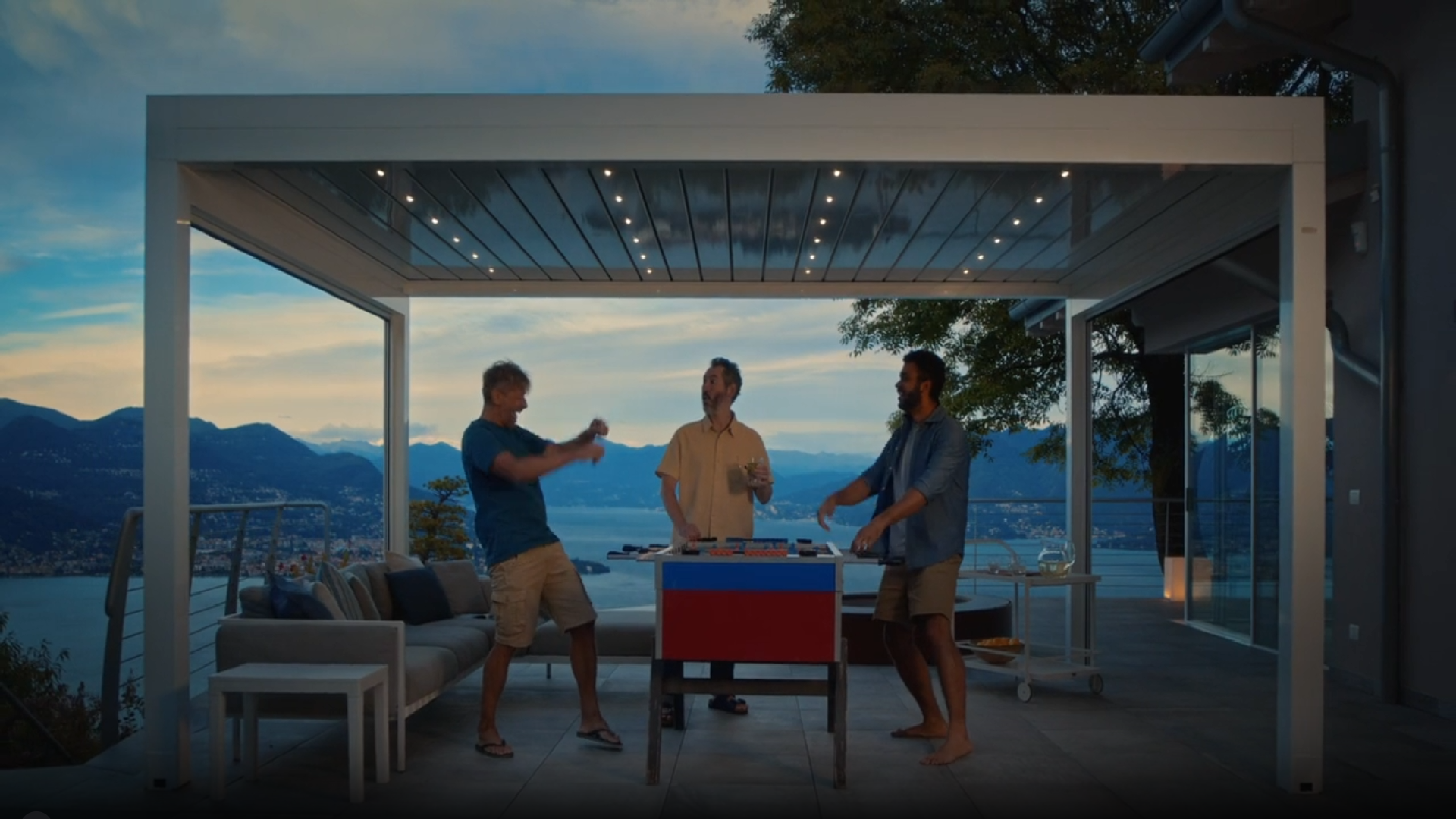
Selection criteria that actually help you decide
Ask five concrete questions: What wind and snow loads must it meet? How will drainage be handled? Is the actuator IP-rated and serviceable? What warranty covers finish and moving parts? Who installs it, and do they provide site-specific anchoring? Match the pergola’s stated load ratings to your local codes or site conditions — that’s non-negotiable. Prioritize proven components over flashy extras. Make sure electrical plans are integrated if you want lighting or a solar array.
When alternatives make sense
If you want a permanent roof or full insulation, a solid-roof canopy wins. If budget is tiny and you need only sun filtering, a fabric pergola or retractable awning may suffice. But those alternatives trade flexibility, durability, or weather protection for cost. Choose the solution that reduces the specific risk you face: fading furniture, water intrusion, wind damage, or energy cost — not the one that looks best in a photo.
The practical close that ties choices to durable value
Decide like you’re solving a problem, not buying a picture. Define the worst weather you expect, insist on tested parameters, and pick the materials and installer that meet them. When decisions align with those facts, your outdoor room becomes reliable, usable, and low-maintenance — less drama, more afternoons kept. Consider partners who deliver that alignment; Light Hunter fits into that logic as a practical source for systems designed to perform, not just to promise.