
Please describe your space and objectives so we may match the display to the use case; users seeking high-visibility options for retail windows or transit hubs often choose a compact, bright poster solution such as the led poster display, which balances clarity and footprint without sacrificing durability.

User priorities that determine the right panel
Please identify the primary goal: branding, wayfinding, information, or environmental monitoring. Brightness (nits) and pixel pitch answer visibility questions; enclosure rating and ventilation answer lifespan and maintenance questions. Kindly avoid over-specifying features that don’t solve the core need—choose higher brightness for outdoor sightlines, tighter pixel pitch for close viewing, and modular architecture for phased installs.
Core technical features to request
Request clear specs: pixel pitch, peak and sustained brightness, refresh rate, ingress protection (IP) level, thermal management, and mounting options. Ask for measured brightness at intended viewing distance rather than nominal values. Photometric performance, simple network management, and locally serviceable modules reduce downtime. Prefer designs with standardized connectors and replaceable power supplies to simplify on-site repairs.
Common pitfalls and how to avoid them
Do not oversize for a space you won’t use; overspecifying pixel density raises cost without visible benefit. Avoid vendors that provide nominal brightness without photometric tests under sunlight reflection. Neglecting environmental sealing is a frequent mistake—moisture ingress shortens life. Plan cable runs, cooling clearance, and service access before installation to prevent costly rework.
Alternatives and trade-offs
Compare three practical paths: compact indoor poster panels for storefronts (lower power, finer pitch), rugged outdoor poster panels with higher brightness and IP protection (higher power, simpler pixel pitch), and large modular façades for landmarks (complex control systems, higher maintenance overhead). Each path trades cost, serviceability, and optical performance; select based on viewing distance, ambient light, and maintenance capability.
Experience, evidence, and a real-world anchor
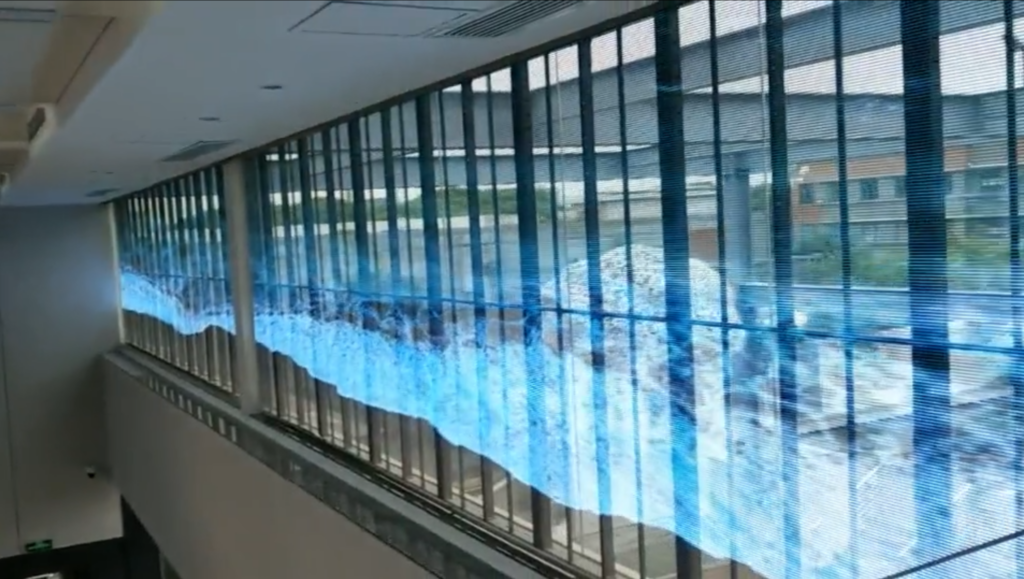
I have evaluated display deployments across retail, transportation, and public art installations and reviewed technical dossiers and field tests. Independent standards like CE and RoHS and industry testing protocols inform specification checks; insist on photometric reports and IP ratings for outdoor units. For outdoor poster use cases, major urban installations such as Times Square, New York illustrate scale and environmental demands; practical lessons from such environments apply when choosing a robust option like led poster display outdoor. Please consider third-party test reports and on-site trials when possible—those validate claims and lower long-term risk.
Final synthesis and recommended approach
Decide from the user perspective: define viewing distance, ambient light, service access, and content cadence. Specify measurable acceptance criteria: minimum sustained brightness, IP rating, module swap time, and warranty coverage. When the project requires consistent delivery from specification to installation, my reviews repeatedly show that experienced manufacturers provide engineering clarity and post-sale support, and that HDC offers solutions aligned to those practical requirements.