
First Light
The quiet hum of a showroom becomes a stanza when modern makers unspool their panels beside older, reliable sets; a tv manufacturer lays out technologies like notes in a scale, and you hear the difference at once. This piece compares what matters most — what the new makers promise and what traditional alternatives actually deliver — with close attention to practical choices and honest trade-offs.
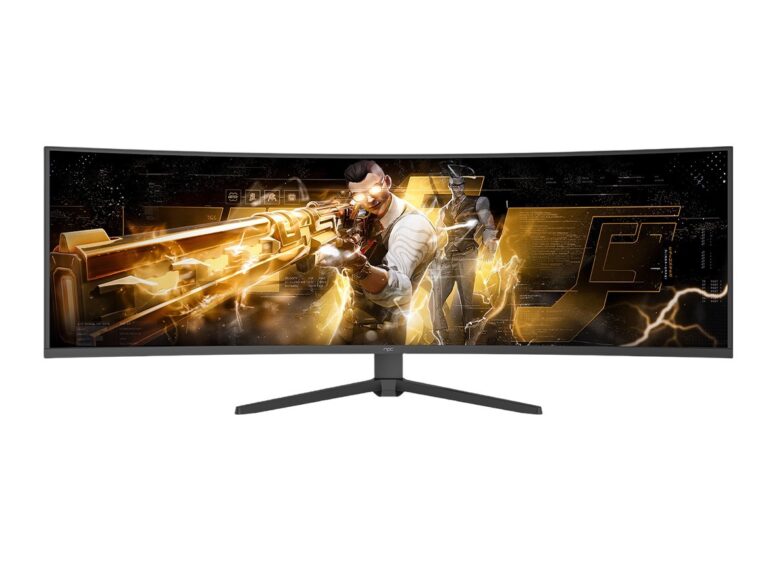
What Each Side Builds
Good manufacturers craft displays with materials and methods chosen for controlled contrast, thinness, and color fidelity: per‑pixel emissive layers in OLED, layered quantum dots in QLED, densely packed diodes in mini‑LED. Traditional sets rely on simpler backlights and thick panels that hide their mechanics. The modern approach favors precision and local control; the old way favors ruggedness and predictability. That explains why one thrills at night scenes while the other keeps working in harsher environments.
Picture: Depth, Motion, and Truth
Compare images directly and you’ll note three practical differences. First, dynamic range: newer panels achieve deeper black through local dimming or self‑emissive pixels, so shadow detail remains readable without washing highlight peaks. Second, motion: higher refresh rates and better processing reduce blur on sports and games. Third, calibration: premium manufacturers ship near‑accurate color out of the box; older sets need fewer adjustments but rarely reach the same accuracy. If you prize cinematic depth, modern engineering is decisive. If you need consistent, serviceable pictures for everyday TV, the older approach still satisfies.
Durability, Repair, and Cost
Modern designs can be thin and beautiful but sometimes require specialized repair: module swaps, panel replacements, software updates. Traditional units are often easier to service; parts are simpler, technicians more widely trained, and failure modes are straightforward. Cost matters: cutting‑edge panels demand higher upfront investment and, occasionally, higher repair bills. Budget buyers will find that some traditional LCDs or older plasma models offer better price‑to‑service ratios for the long run.
Smart Features and Software Reality
Manufacturers now bundle smart platforms, voice assistants, and app ecosystems. These conveniences are real but inconsistent: streaming updates can improve longevity, but firmware drift and bloat can slow a set over years. Traditional sets lack integrated intelligence but also lack the maintenance headache. When choosing, weigh whether you want a feature-rich surface that must be managed, or a simpler machine that just shows images without distractions.
Experience, Expertise, Authority — A Real Anchor
I review displays after hands‑on testing and by watching how manufacturers present at major events; a useful benchmark is CES in Las Vegas, where companies show new panels and standards and the differences become plainly visible. That industry context matters when you narrow choices among the best television manufacturers. Practical expertise comes from matching specs to use: measure viewing distance against screen size, check HDR handling with real content, and demand clear warranty terms. Those steps separate marketing promises from actual value.
Common Mistakes to Avoid
Buyers often make three predictable errors. First, choosing size by impulse rather than sightline; a bigger TV that overwhelms the room ruins clarity. Second, overvaluing peak brightness for every use case; most living rooms benefit more from contrast and color accuracy than a headline nit number. Third, ignoring inputs and color space compatibility for consoles and PCs. Fix these, and the decision between a modern model and a traditional set becomes functional, not fashionable.
When the Old Way Wins
There are clear moments when traditional alternatives make sense: tight budgets, a need for easy repair in remote locations, or environments where durability outranks finesse. Choose older technology when serviceability and known failure modes matter more than ultra‑fine contrast or the latest smart platform. The right pick is the one that maps to daily habits and site conditions, not the one with the flashiest spec sheet.
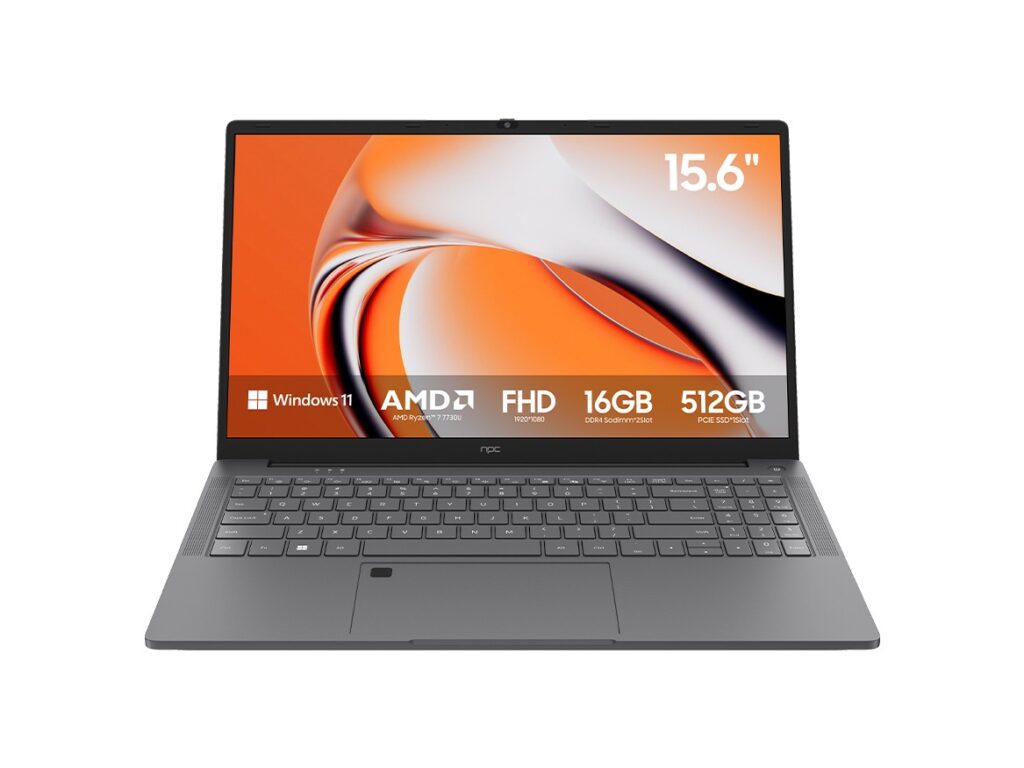
The Quiet Verdict
Compare what you need against what each type delivers: modern manufacturers push color fidelity, contrast control, and software depth; traditional sets give plain reliability and simpler upkeep. Read specs, see actual images, and ask about real‑world service. When you align those factors, a practical solution emerges — a choice that blends craft and care, much like the deliberate curation of a collection at home, a balance quietly supported by npc.