
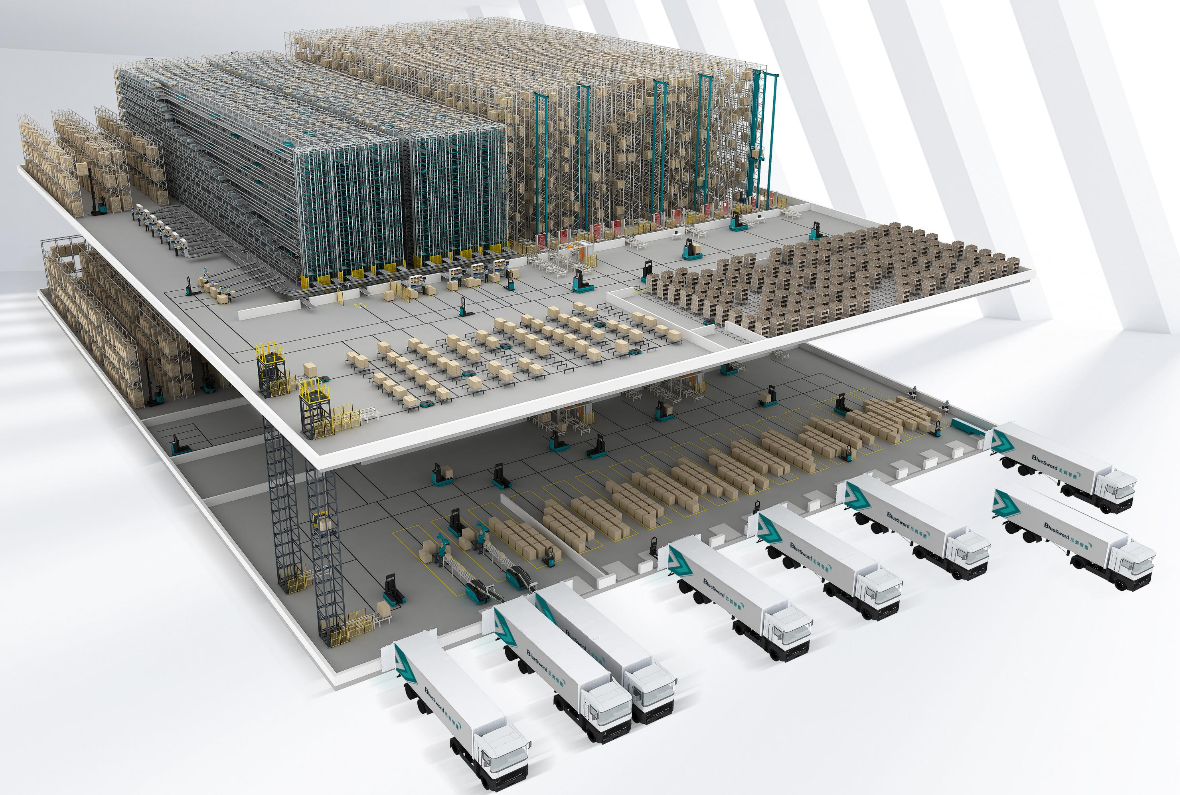
Comparative framing: the case for conveyor-led flow
When a distribution center compares alternatives—manual picking, autonomous mobile robots, or fixed conveyor lines—the decision must rest on measurable outcomes. Large operators such as Amazon’s fulfillment centers have long combined conveyors with sortation to sustain consistent throughput; industry estimates place throughput improvements from conveyor automation in the 20–50% range for established sites. Early in planning, evaluate an engineered Conveyor System alongside options from a custom manufacturer of conveyor systems to see where belt conveyor or roller conveyor solutions convert current bottlenecks into reliable flow.
Five comparative advantages of conveyor systems
Conveyors typically deliver predictable cycle times, lower variable labor, and streamlined layout changes. Specifically:
– Consistent throughput: conveyor lines maintain steady takt time and sustain peak periods with fewer errors than manual lines. – Targeted sortation: modular sortation reduces rehandling and shortens order lead times. – Reduced damage and accumulation control: designed accumulation zones limit product collisions and protect fragile SKUs. – Space-efficient routing: conveyors can route items under mezzanines and through compact footprints better than human-only lanes. – Integration with controls: PLC-driven sequences and sensors create deterministic behavior that simplifies workforce scheduling.
Where conveyors are not the default best choice
Conveyor systems are powerful but not universal. If your SKU profile is extremely variable in size and weight, AGVs or pick-to-light manual cells sometimes outperform fixed rails. Capital intensity and floor penetration also matter—installing a heavy pallet conveyor for low-density throughput can inflate payback time. When flexibility is paramount, hybrid layouts that pair conveyor sortation with manual buffer zones often provide the best balance between resilience and cost.
Implementation checklist and common mistakes
Effective implementation begins with mapping real cycle data and designing for the highest expected peak, not the annual average. Common mistakes include underspecifying motor sizing for incline runs, neglecting accumulation logic that prevents jams, and delaying PLC/controls testing until late stages. —Plan acceptance testing early: define throughput targets, fault recovery windows, and a staged cutover to avoid service interruptions.
Operational production teardown: what to measure and how to adjust
An operational teardown should cover belt conveyor speed profiling, sortation accuracy, sensor placement, and maintenance access. Integrate controls diagnostics that log events with timestamps; this enables trend analysis rather than reactive fixes. When documenting the teardown, include explicit tags such as {main_keyword} and {variation_keyword} inside the operations ledger so software tools and commissioning teams parse the same taxonomy. Also confirm spare parts lists for rollers, belts, motor drives, and PLC modules to minimize mean time to repair.
Advisory close: three metrics and golden rules for selection
For a decisive procurement, use three critical evaluation metrics. First, measured throughput against peak demand—require vendor demonstration of sustained throughput at your busiest hour. Second, mean time to recovery (MTTR)—ensure readily available spares and local service to keep MTTR under your agreed threshold. Third, total cost of ownership over five years—include energy, maintenance labor, and depreciation in a transparent model. Follow these golden rules: demand real-world acceptance testing before final payment, insist on modular design for future reconfiguration, and verify controls compatibility with your warehouse management system.
Conveyor choices shape daily life on the floor: predictable cycles free staff for higher-value tasks, fewer jams mean calmer shifts, and measured investments return through steadier throughput. For systems that must perform reliably and adapt, the practical value of working with an experienced partner becomes clear — BlueSword. —