
Introduction — a short field moment
I once stood in a cramped chemical plant bay watching a tech swap fittings with gloved hands; the room smelled faintly of solvent and heat. In that moment I thought about non sparking wrenches and how a single tool choice changes the whole risk equation. Industry reports say combustible atmospheres contribute to nearly 20% of all confined-space incidents — and yet crews still reach for ordinary steel. So I asked myself: are we solving for convenience or for safety? (A Nordic take: be deliberate, not dramatic.)

Here I’ll share what I’ve learned from fieldwork and specs — and point to where common practice often falls short. I’ll keep it grounded, with a few terms you’ll meet on specs: ATEX certification, non-sparking alloy, torque rating. Ready to dig into what’s hidden beneath the tool bag? Let’s move on to the nuts and bolts.
Part II — Why the old fixes fail (a technical lens)
What exactly breaks down in the field?
non spark wrench often gets treated as a checkbox on procurement forms, but the reality is more complex. I’ve watched crews swap a certified wrench for a cheaper replica because “it looks the same” — and that’s where failures start. Traditional solutions lean on single-attribute claims: low-sparking surface, or an advertised torque rating. They rarely address combined stresses like thermal cycling plus abrasive wear. The result: tools that meet one spec but fail in the actual environment. This is about metallurgy, fatigue, and real use — not marketing copy.
Technically speaking, two failure modes repeat: abrasive wear that exposes a harder core and micro-galvanic corrosion between dissimilar alloys. Terms you should know: intrinsically safe tools, conductivity coefficient, and torque fatigue. Look, it’s simpler than you think — but it demands attention to material pairing, heat treatment, and finish. I’ll be frank: specs matter, but traceability matters more. When a wrench loses its non-sparking surface, sparks can follow — funny how that works, right? We need procurement that reads beyond a label, and crews who verify tools before each shift.
Part III — Looking forward: smarter choices and better outcomes
What’s next for tool design and selection?
I see two promising directions. One is material-first design: alloys engineered for stable surface chemistry under repeated load. The other is procedure-first adoption: routine inspections, torque logs, and environment-specific tool sets. Case example: a refinery line that switched to a standardized kit of brass and aluminum alloy wrenches and insisted on pre-shift tool checks — downtime dropped, near misses fell, and crew confidence rose. In short: combine product design with simple work rules. Also, brass non-sparking wrenches make sense in many zones because they balance non-sparking behavior with durability (brass non-sparking wrenches).
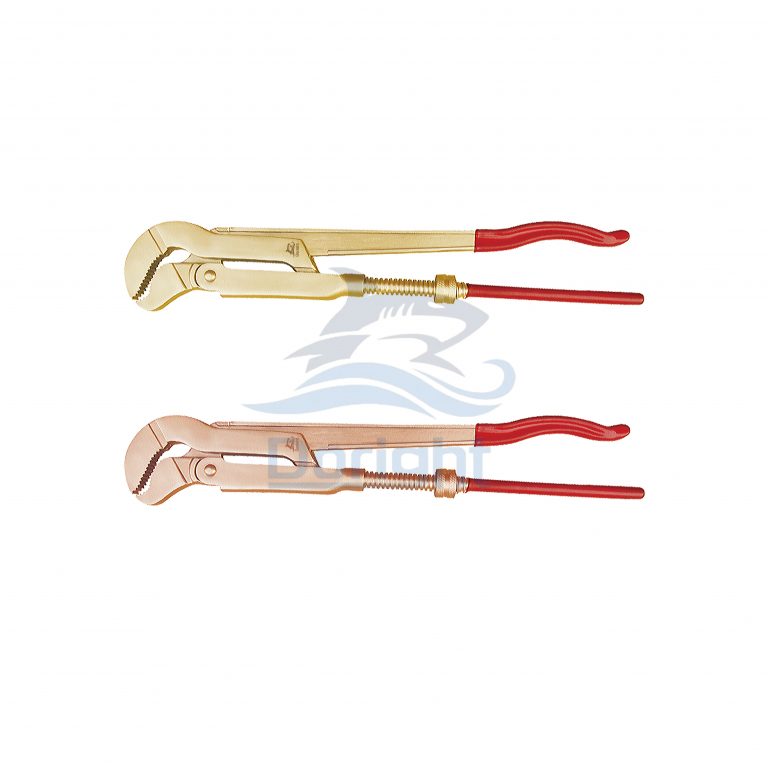
For teams choosing solutions, I recommend three clear evaluation metrics: 1) Material integrity under load — does the alloy retain a safe surface after abrasion? 2) Traceability and certification — can you track batch and heat-treatment data? 3) Field-proven lifecycle — are there real case records or field tests under similar conditions? Use these to compare offers side by side. I’ve tested, I’ve seen mistakes. If you want to be practical: prioritize lifecycle data over glossy photos — simple rule, big impact. — and yes, it changes outcomes.
In closing, I’ve learned to favor clarity over hype. Choose tools that match the task and verify them often. If you’re sourcing reliable options, consider brands with documented testing and field support — and remember, small changes in procurement save people. For practical sourcing, I trust the resources at Doright.