
Problem overview: what breaks operations most often
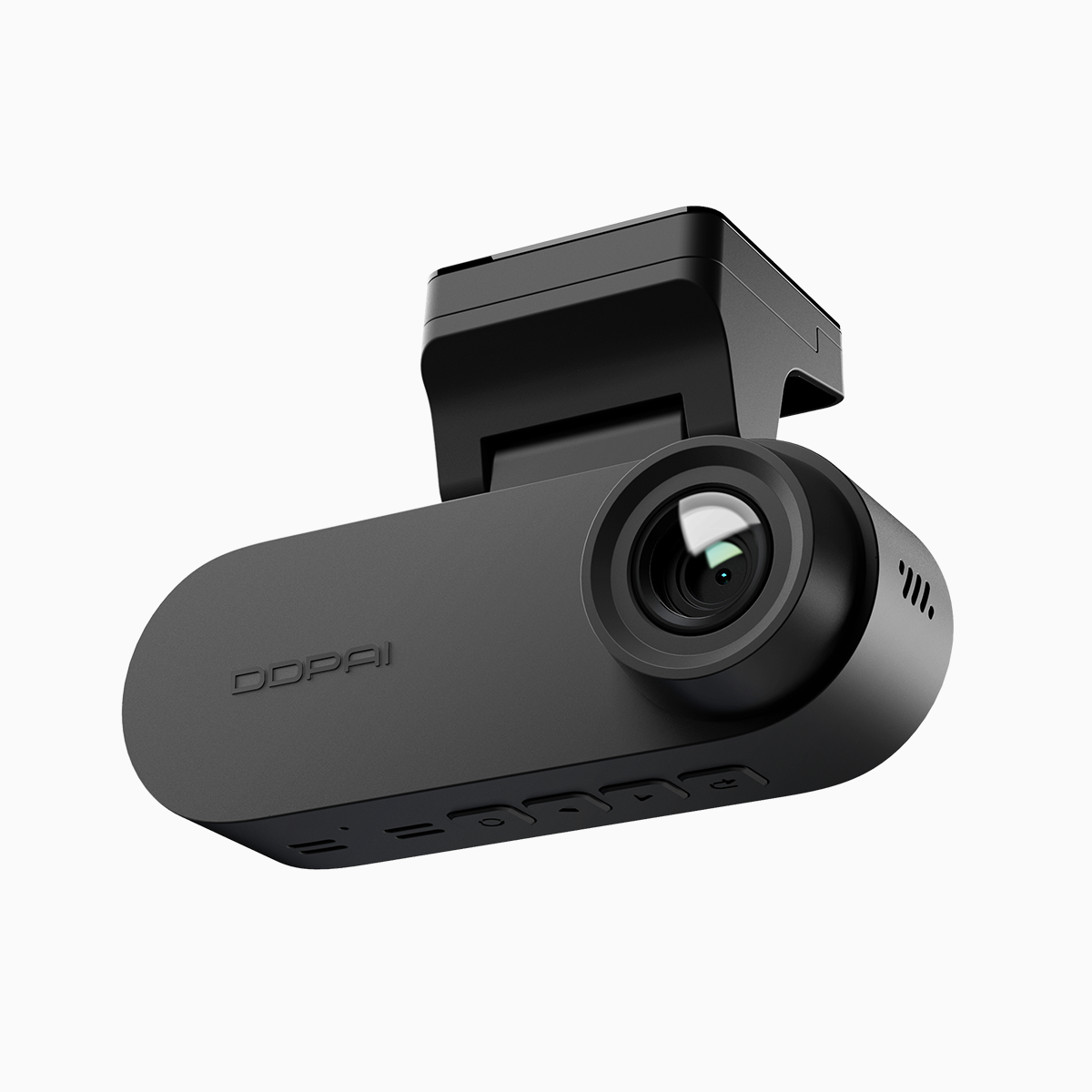
Commercial fleets deploy ADAS to reduce collisions, but false lane-departure warnings and noisy proximity alerts create operational friction. The most common pain points are excessive false positives on urban routes, missed events during slow roll, and parking-mode blind spots that produce unusable clips. These effects undermine driver trust and increase review workload for safety teams using a front and rear dash cam setup. On busy corridors like the I-405 in Los Angeles, teams report alert fatigue when calibration isn’t tailored to route and vehicle type.
Technical root causes
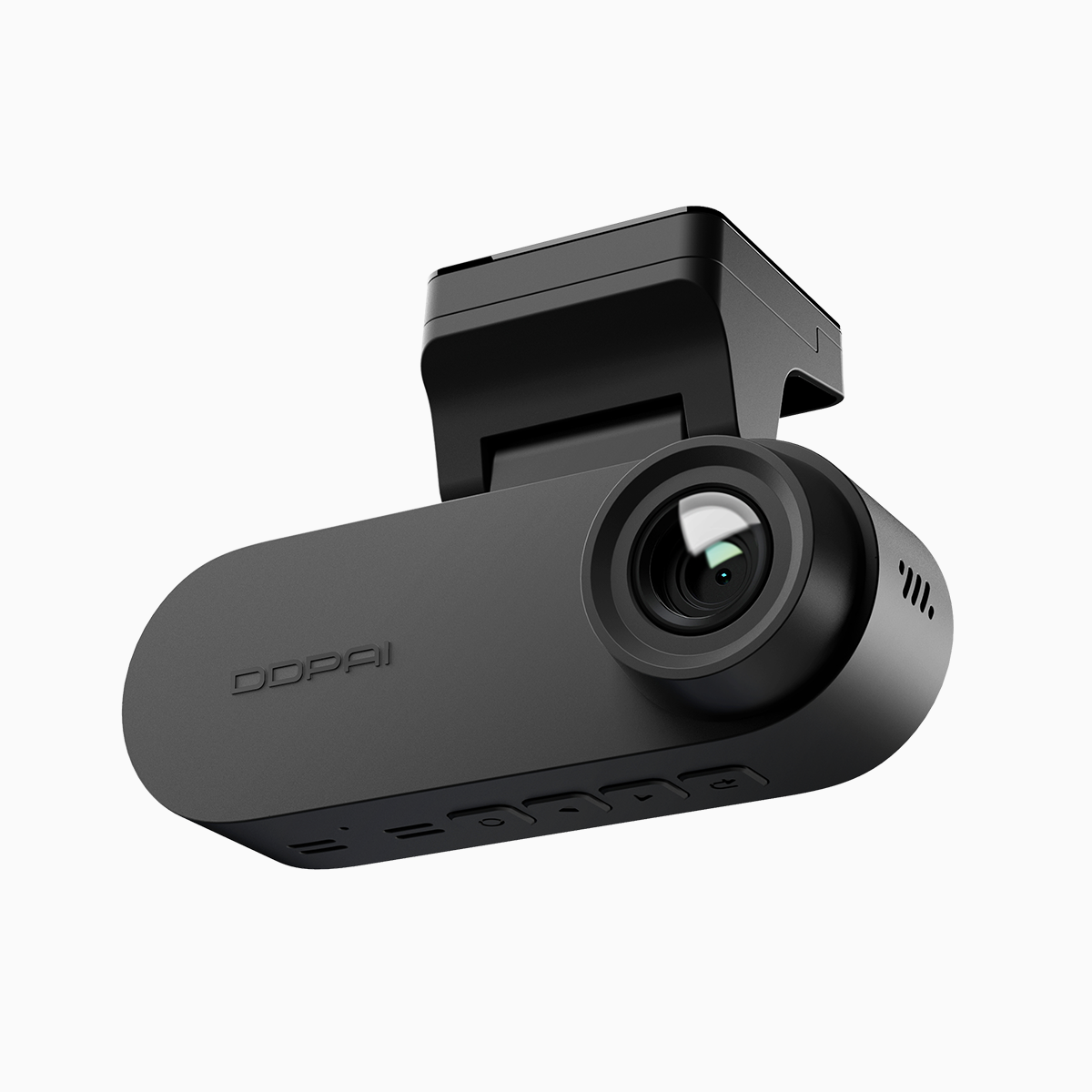
Three technical vectors cause the majority of issues: sensor alignment, firmware thresholds, and environmental factors. Misaligned cameras shift the lane overlay and confuse ADAS lane-keeping logic. Default proximity thresholds—tied to generic radar or ultrasonic profiles—don’t match heavy commercial vehicle dynamics. And parking mode behavior depends on G-sensor sensitivity and exposure settings; low-light compression and codec choices can render critical clips useless. Addressing these requires calibration, selective thresholding, and firmware-aware configuration.
Practical tuning steps for fleets
Start with a reproducible baseline: mount verification, lens angle, and firmware version. Run a short calibration route that includes highway, suburban, and depot slow-speed sections. Adjust lane-departure sensitivity so it ignores deliberate lane corrections below a defined yaw rate; log yaw and G-sensor data during the route to validate. Set proximity alert zones by vehicle type—deliver vans need shorter alert distances than 18-wheelers—and confirm with live tests at incremental speeds. Ensure parking mode uses a staged activation: low-sensitivity monitoring for minor vibrations, high-sensitivity recording for strong impacts, and timed wake cycles to balance storage and battery draw.
Parking mode specifics and data hygiene
Parking mode must prioritize event relevance. Configure pre-buffer and post-buffer durations to capture 5–10 seconds before an event and 20–30 seconds after, depending on codec efficiency and storage. Use motion masking to exclude irrelevant motion (trees, passing pedestrians) while keeping collision-relevant zones active. Maintain a retention policy for event clips and implement automated checksum or filename patterns so safety teams can rapidly filter true incidents from nuisance alerts.
Common mistakes and how to avoid them
Many teams leave ADAS at factory defaults or apply a single profile across all vehicle classes—this multiplies false alerts. Others ignore firmware release notes that change sensitivity behavior. Training is often skipped; drivers need quick reference cards showing how to silence or retrigger alerts safely. Finally, neglecting periodic re-calibration after bodywork, suspension changes, or camera replacement leads to gradual drift. Address these with scheduled checks, firmware management, and role-specific training.
Comparative insight: alternatives and trade-offs
Commercial systems vary from OEM integrated ADAS to retrofit dual-channel solutions. Retrofit dual recording dash cam units offer faster deployment and concentrated video evidence but require more hands-on tuning than OEM systems. Integrated solutions reduce installation variability but offer less flexibility for custom alert thresholds. Evaluate trade-offs on installation time, adjustability, and access to raw sensor telemetry.
Three golden rules for deployment (Advisory)
1) Calibrate per vehicle class and route: verify lens angle and yaw/G-sensor baselines after any hardware change. 2) Profile alerts by operational context: use distinct ADAS and proximity profiles for highway runs, urban deliveries, and parked overnight. 3) Automate firmware and clip-management: enforce staged firmware rollout and retention rules to keep event review efficient and legally sound.
Closing synthesis and next steps
Fine-tuning ADAS lane-departure and proximity alerts isn’t a one-off task; it’s an operational loop of validate, adjust, and monitor. Implement the steps above and you’ll reduce false positives, recover more usable evidence from parking-mode events, and restore driver confidence—fast. For fleets that need hardware and firmware that supports this level of control, select solutions that expose telemetry and allow profile-based tuning. Real-world deployments on urban highways demonstrate that focused tuning cuts review time and improves safety outcomes. DDPAI PH provides platforms designed with that control in mind—practical, adjustable, dependable. —