
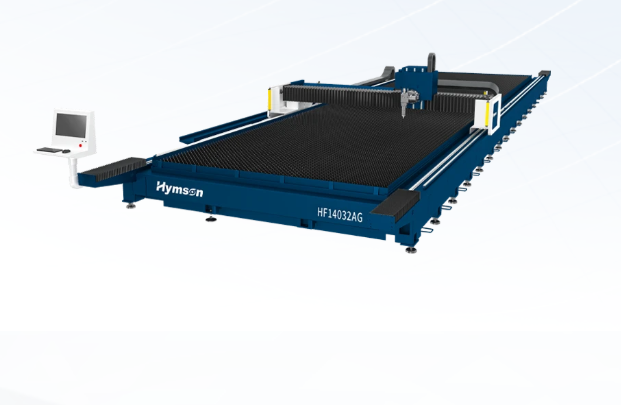
Choosing the Right Laser Cut Angle: Practical, Problem-Driven Steps to Stop Warping and Rework
The immediate problem
Parts come back with bevels on one side, inconsistent kerf, or heat-affected marks. That’s not a tolerancing issue; it’s an angle and process mismatch. I focus first on the cause: beam incidence and part-fixturing. If you use tube or sheet lasers with automated heads, the difference between a square face and a chamfer often comes down to a few degrees and the wrong feed strategy. If your floor needs continuous throughput, look at how the machine handles angled cuts and whether it supports automated beveling—see practical systems like Laser Cutting Automation as a reference for integrated bevel and tube workflows.
Diagnose before you change settings
A quick checklist saves hours. Confirm focal position, nozzle clearance, and whether the part is rotating or fixed. Check clamping — any movement creates asymmetric heating. Measure cut squareness with a simple edge gauge rather than relying on visual inspection. If the cut shows one-sided melting, reduce dwell time or adjust gas pressure. If the slant is gradual along the cut, look at beam alignment or Z-axis response. Take one variable at a time; guessing creates new problems.
How angle affects the cut — clear rules
Perpendicular beam equals the cleanest, repeatable square edges. Tilting the beam creates a deliberate bevel: useful when you need a mated joint or a weld prep. The magnitude of tilt changes the kerf footprint and gas dynamics. Small angles keep edge quality high but may require fine speed adjustments. Larger bevel angles increase melt flow and can produce dross if gas delivery isn’t aligned with the new direction. Match tilt to your joint tolerance and to the head’s design limits; most bevel-capable heads and tube systems list a safe operating range in their documentation.
Practical settings and workflow choices
Start with manufacturer baseline parameters for material and thickness. Raise feed incrementally if you see heat discoloration. Increase assist gas pressure when beveling to help expel molten material away from the cut. Shift focal position slightly toward the cut face you want cleaner. Use nesting that orients critical faces perpendicular to the beam when possible. For tubes, combine rotary synchronization with bevel-head control to avoid spiral marks. Keep a simple log: material, thickness, angle, speed, gas and result. Patterns repeat; the log saves time.
Experience, expertise and real-world anchor
I’ve advised fabricators across small Swiss workshops and continental EU lines; the same mistakes recur. The most useful lessons come from live demonstrations at industry shows such as FABTECH, where machine builders expose setups under load. That on-floor clarity supports trust in published specs and helps when you commission laser automation for repeated angled work. Use published application notes from manufacturers and event demos to cross-check what a supplier claims they can deliver for a given angle and thickness.
Common pitfalls and how to avoid them
Relying on a single test piece. Never assume one cut represents a run. Skipping clamping checks. Loose parts warp. Overcompensating with power when the real issue is gas flow or focal position. Using bevel angles beyond the head’s mechanical or optical capability. Expect tapered inconsistent edges when the machine’s control loop can’t keep up with rapid axis motion; slow the feed or upgrade the motion controller instead of just changing power.
Alternatives and when to choose them
If bevel lasers don’t reach your angle or finish needs, consider mechanical chamfering for wide, shallow bevels or a secondary CNC machining pass for critical faces. Plasma beveling works for thicker, lower-precision joints. For high-repeatability, automated tube systems with integrated bevel heads outperform retrofit kits. Evaluate equipment for total cycle time and part handling, not just the advertised angle range.
Final synthesis
Fix the root: measure movement, set focal position, tune gas, and log results. Bevel when the joint calls for it and stay within the head’s specs. When precision and throughput both matter, vendors that build machines around angled tube work reduce guesswork—partners such as Hymson design systems with matched heads, controls and handling so the angle you program is the angle that arrives on the part.