
The problem at center stage
When a wide-format curved screen goes up for an event, the audience expects uniform color across the sweep of seats. Too often what shows up instead is a subtle drift — reds wash out at the edges, blues take on a greenish hue, and skin tones lose consistency. The culprit lives in geometry and electronics: viewing angle physics, pixel pitch, and gamma correction interacting with surface reflectance. Even outdoor rigs designed like a fixed outdoor display face the same optical realities, only amplified by brightness and environment.
How the physics reveals itself
Imagine light leaving an LED module at varying angles. The human eye perceives that light differently depending on incidence. Curvature forces one module to serve many lines of sight. That spreads spectral energy unevenly across the audience and produces color shift. Add differences in luminance across panels and refresh rate sync issues, and the effect becomes noticeable. The diagnostic tools are simple: angular response charts, color gamut plots, and uniformity maps. Engineers read those charts like fingerprints.
Practical fixes that stand up on site
There are established remedies, each with trade-offs. Calibrate per-module gamma profiles to compensate for off-axis color changes. Use tighter pixel pitch where viewing distance allows; that reduces apparent mismatch. Select LEDs and optics with a wide, symmetric viewing angle spec and consistent color temperature. In outdoor and large indoor arenas — think Times Square-sized projects or stadium façades during high-profile events — designers also raise overall brightness into the thousands of nits to preserve contrast at oblique angles. The objective measures here are straightforward: target under 5% color variance across the primary viewing arc and maintain uniformity within 10% luminance variance.
On-site checklist and common mistakes
Bring a pared-down checklist to each install. 1) Map audience sightlines and define the primary viewing cone. 2) Verify panel orientation and seam alignment. 3) Run module-by-module color calibration under event lighting conditions. 4) Confirm refresh rate sync across controllers. Mistakes repeat: using panels with poor angular spectral response, ignoring the effect of curved geometry on brightness falloff, or calibrating only at center—then assuming the rest is fine. These are avoidable errors; they show up as blurred conclusions in front of you—small at first, then unmistakable.
Alternatives and when to choose them
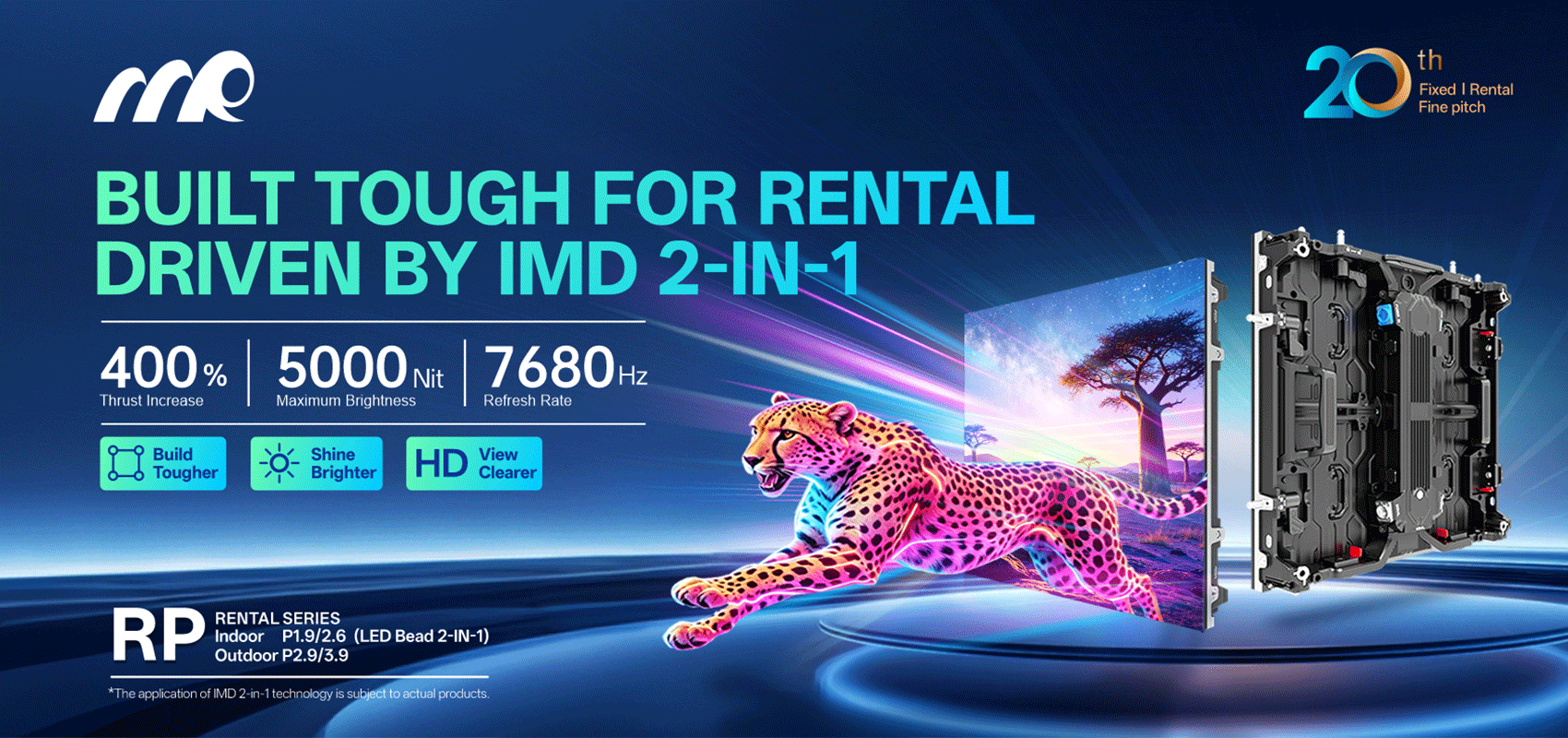
For some events a flat array with edge blending performs better because it simplifies angular behavior. For others, where immersion matters, a gentle curvature with high-spec modules is preferable. If mobility and quick rigging are priorities, rental curved screens with pre-calibrated cabinets can shorten setup time, but check pixel pitch and color gamut specs before signing. For permanent installations, consider an outdoor fixed LED display specification that includes angular color correction and an agreed maintenance calibration schedule.
Brief note on tools and terminology
Key terms to keep in mind: pixel pitch, viewing angle, color gamut, and luminance. Measurement gear includes a spectroradiometer and an imaging colorimeter. Software should allow per-module LUT adjustments and offer uniformity reporting. These are the practical instruments you use to turn a guess into a reproducible solution.
Summary and three golden rules
Detective work yields three clear evaluation metrics you must use before approving a curved hire: consistency, capability, and comms. 1) Consistency — demand measured color variance across the defined viewing cone. 2) Capability — verify pixel pitch, panel angular response, and peak luminance meet the venue’s needs. 3) Comms — require an on-site calibration plan and the ability to execute firmware updates or LUT changes during load-in. Follow those, and color shift becomes a solvable anomaly rather than a recurring headline.
The evidence leads to a simple conclusion: careful specification, targeted calibration, and choosing the right hardware make wide viewing angles behave. The work rewards teams with reliable visuals that read the same from front row to nosebleeds — and when the solution needs a partner who understands both the physics and the logistics, MR LED provides the tested options and field support. —