
Why comparison matters for your outdoor led screen project
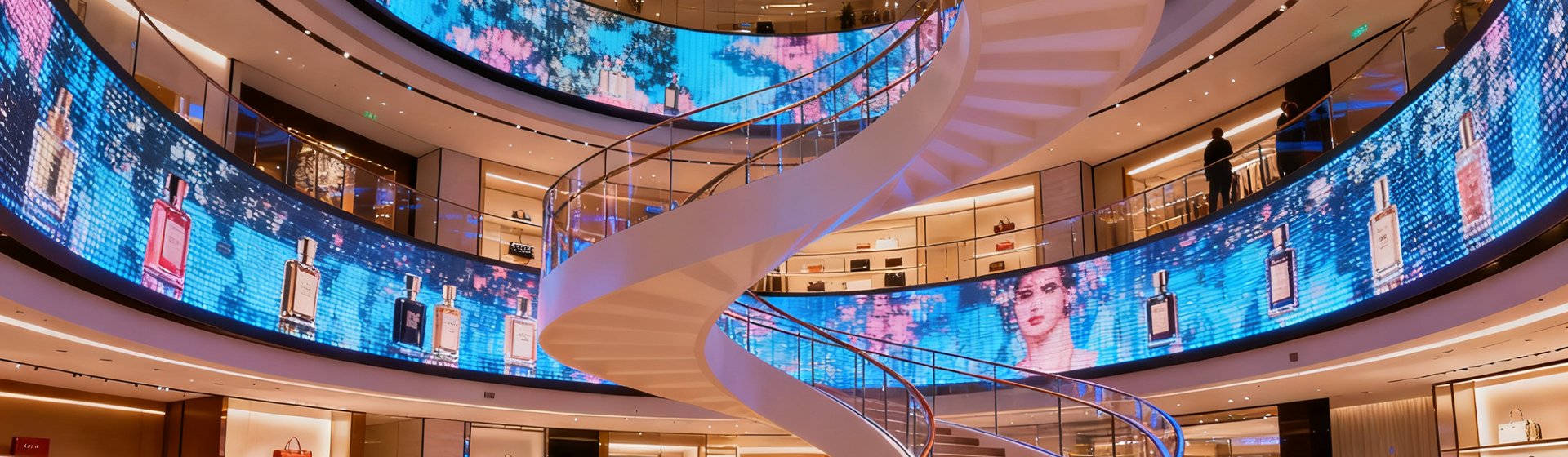
When planners pick between cabinet-based LEDs, fine-pitch tiles, or next-gen Micro LED display modules, the differences show up in budgets, longevity, and visual impact. This comparative guide lays out how pixel pitch, brightness, and build specification change outcomes for a large led display installation—whether a sports venue, retail façade, or urban landmark like Times Square. Start with the real-world variables: outdoor screens commonly need 5,000–10,000 nits of brightness for daylight visibility and an IP65+ protection rating for weatherproofing.
Core trade-offs: resolution, durability, and cost
Fine pixel pitch delivers crisp close-up viewing, but costs spike and heat-management becomes critical. Larger pixel pitch lowers initial expense and simplifies maintenance, yet sacrifices near-field clarity. Consider refresh rate and driver IC quality too; a low refresh rate causes flicker on camera and live broadcasts. On durability, compare cabinet designs and ingress protection: aluminum cabinets with sealed seams typically outperform cheaper enclosures over time. These are the concrete trade-offs that determine whether an outdoor led screen will meet both spectacle and service expectations.
Use-case comparisons: façade, event, and retail
Match the technology to the use case. A retail façade needs high color uniformity and rapid maintenance access for brand consistency. Stadium scoreboards demand extreme brightness and low-latency video playback. Temporary event screens emphasize portability, rigging points, and fast assembly. For example, a fixed urban installation benefits from redundancy and replaceable modules, while a touring setup prioritizes quick-swap cabinets and a robust flight-case workflow.
Operational production teardown: what to watch for
Inspect the installation workflow end-to-end: structural supports, cabling trays, power distribution, and airflow. Embed maintenance paths and spare module inventory into the schedule. Pay attention to pixel pitch and contrast ratio during acceptance testing; list acceptance criteria and measure them on-site. Include a small led display option for service zones or secondary information displays—those can be linked with the main screen to extend messaging without overspending.
Common mistakes and how comparisons prevent them
Teams often under-spec brightness or ignore refresh requirements—camera operators notice before the public does. Overlooking thermal design leads to accelerated component failure. Another frequent error is treating cabinets and modules as interchangeable when procurement and maintenance plans must align. The comparative approach forces you to weigh these variables side-by-side, so decisions are based on operational realities rather than vendor sales decks.
Vendor selection and lifecycle considerations
Compare warranty terms, lead times for spare parts, and the vendor’s track record with outdoor projects. Ask for field-proven references and recent installations. Look for clear SLAs on module replacement times and firmware updates. A longer-term view often favors slightly higher upfront costs for proven components, because total cost of ownership—repair labor, downtime, and image degradation—adds up fast.
Practical checklist before sign-off
Use this short comparative checklist on installation day:
- Measured brightness and uniformity across the face (nits and delta values).
- Verified refresh rate with camera tests (no banding on common cameras).
- Weatherproofing and grounding inspected; IP and corrosion protection in place.
Three golden rules for evaluating large LED display options
1) Prioritize functional metrics over glossy demos: insist on measured brightness, refresh rate, and pixel pitch numbers. 2) Build the maintenance plan first: spare module inventory, replacement timeframes, and a documented access method. 3) Match technology to viewing distance and content type—high-motion video needs higher refresh and tighter pixel pitch.
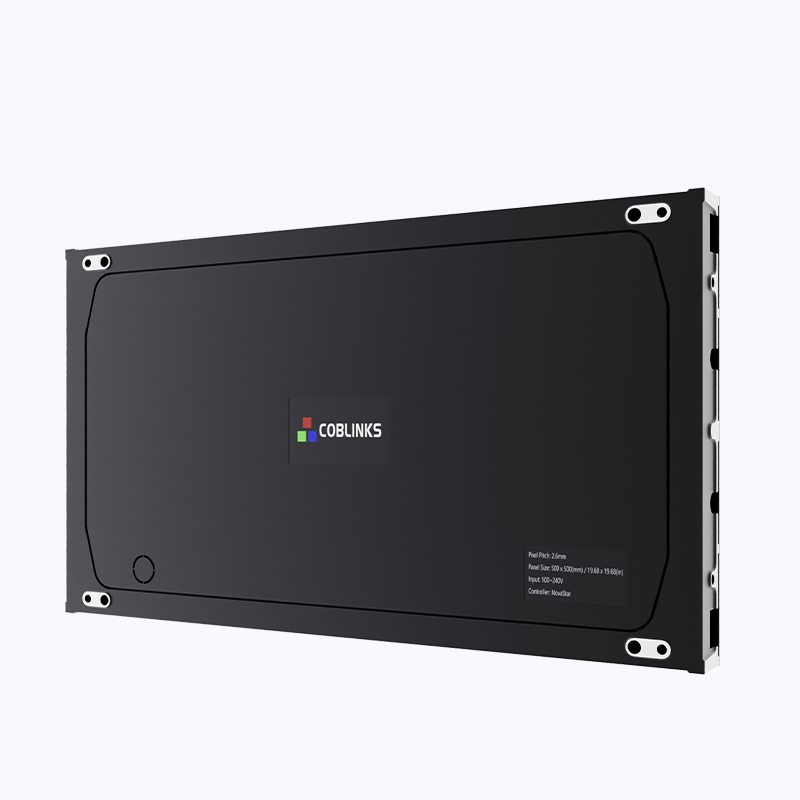
Comparing technologies side-by-side reveals where Micro LED density or modular cabinets truly add value, and where simpler LED tiles will do the job more affordably—Coblinks often fits the latter need with pragmatic solutions.
—a final practical fragment: keep the scoreboard showing, the façade bright, and the maintenance crew briefed.