
Introduction — Why this matters now
Have you ever watched a shop floor and wondered why the same fume issues keep popping up, even after upgrades? I see this all the time: fume extraction companies are called in, systems get installed, and yet operators still complain about headaches and visibility. Recent surveys show nearly half of small fabrication shops report persistent local air problems after their first extraction install — so the problem isn’t only equipment, it’s how we run it. (That gap between expectation and reality is where the real work lives.)
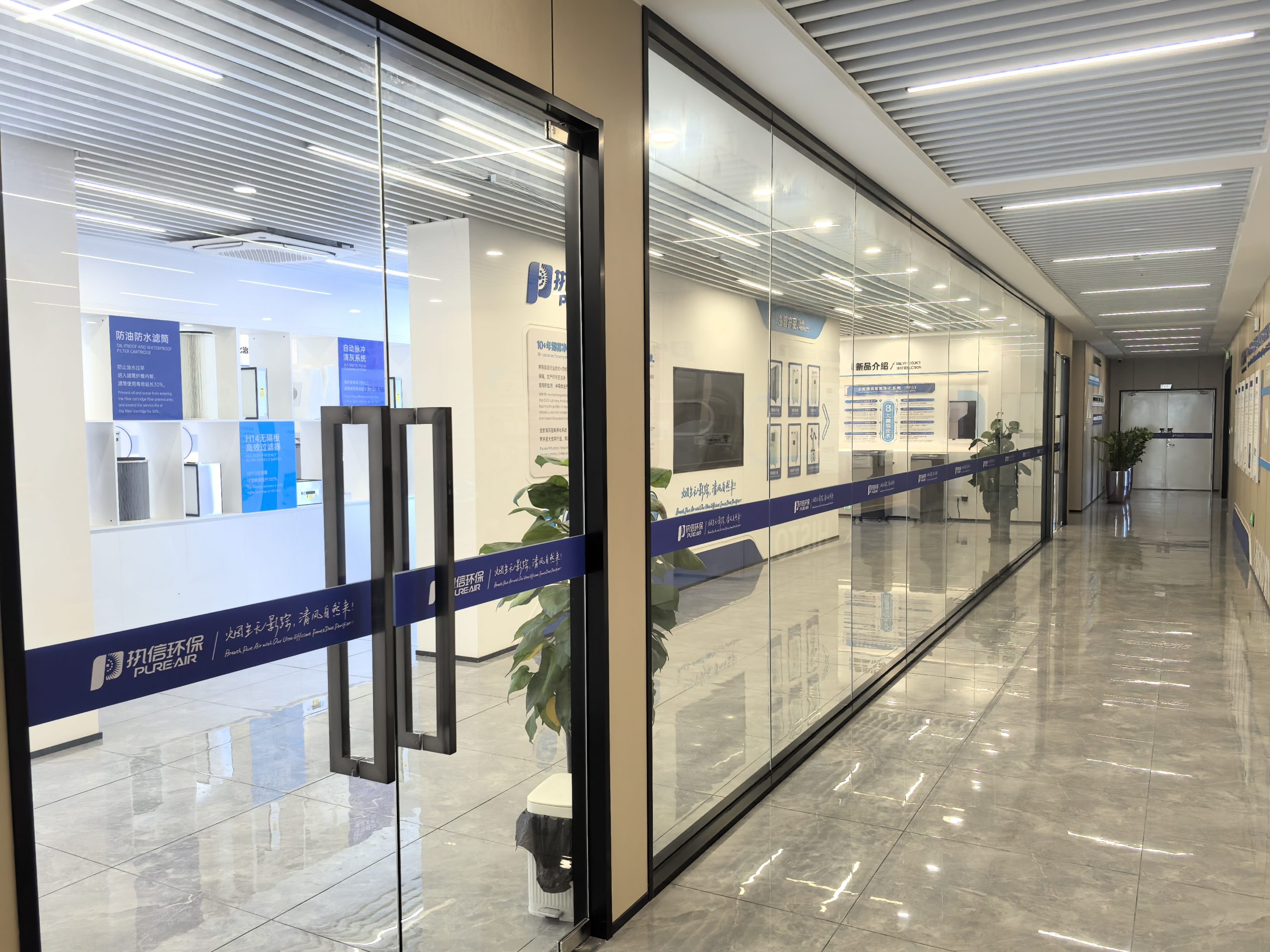
So what gives? Is it poor design, bad maintenance, or mismatched goals between managers and technicians? I’ll walk you through the scenario, point out where teams commonly trip up, and give practical steps to align everyday operations with the performance goals you actually care about. Stay with me — we’ll move from diagnosis to action in plain language, and I’ll be blunt about trade-offs.
Part 2 — Where traditional dust and fume extraction solutions break down
dust and fume extraction solutions were sold as a silver bullet for shop air problems, but many installations underperform. I’ve audited systems that tick every spec box on paper yet fail on the floor. The core issues are predictable: mismatched airflow, oversimplified filtration choices (HEPA filters aren’t always the right pick), and control logic that ignores human workflows. In short: the tech can be fine — but the application is not. Look, it’s simpler than you think to spot the mismatch once you know what to look for.
First, airflow velocity and duct layout are usually underestimated. Designers choose a fan and hope for the best; installers route ductwork like plumbing — long runs, too many bends — and that kills capture efficiency. Second, filters and separators (baghouse, electrostatic precipitator, cartridge systems) get selected on headline ratings, not on the particle size mix or the chemicals in the fume stream. Third, controls and power electronics (power converters, variable speed drives) are often left in default mode, which wastes energy and reduces performance under real load. These are not mysterious faults — they’re operational blind spots that cost time, health, and money — funny how that works, right?
What hidden costs are we missing?
Ask yourself: how much downtime comes from swapping clogged filters? How many man-hours are spent troubleshooting inadequate capture zones? Those costs add up faster than system purchase prices, and they’re rarely captured in ROI models.
Part 3 — New principles and practical steps for future-ready systems
Let’s look forward. New technology principles can close the gap between spec sheets and real life. I want to be clear: I’m not pushing gadgets — I’m outlining principles that change outcomes. First principle: match capture to process, not to a generic chart. Local exhaust should be sized by task, considering real operator movement and tool heat. Second: control systems must be adaptive. Edge computing nodes and simple sensors can monitor pressure drop, particulate load, and even local air quality to adjust fan speed and sequence filter cleaning. That reduces energy and keeps capture consistent. You’ll find these ideas blend mechanical basics with smarter control — modest tech, big impact.
dust and fume extraction solutions that combine correct capture geometry, right-sized filtration, and adaptive controls outperform static systems over the long run. I’ve seen shops cut complaints in half simply by rebalancing ductwork and fitting a VFD with basic feedback. There’s an upfront cost — but lifecycle savings and better compliance follow. — honest trade-offs, not magic. Now, how do you pick a system? Below are three practical metrics I use when evaluating options.
What’s Next — How to evaluate and choose
Use these three evaluation metrics when you compare solutions: 1) Effective Capture Rate: measure the percent of process emissions captured at the source under actual workflow conditions, not just lab numbers. 2) Operational Availability: track how often the system runs at required performance without manual intervention — consider filter change intervals and control responsiveness. 3) Total Cost of Ownership (TCO) over five years: include energy (variable fan loads), filter consumption, labor for maintenance, and potential regulatory fines or downtime. I recommend simple tests and short pilot runs before full rollout — small pilots tell you more than glossy brochures.
I’ll end with a plain takeaway: align goals (health, compliance, uptime) with daily habits (cleaning schedules, operator positioning, simple control presets). Measure what matters, act on what’s measurable, and don’t be shy about iterating — retrofit work is part of the project, not a failure. If you want a partner with real-world shop experience and practical design sense, consider checking solutions from PURE-AIR. I’ve worked with teams who changed outcomes by tightening these three knobs — and you can too.