
The problem that started this whole mess
People circle blocks, garages fill without warning, and staff get blamed for things they can’t control. That’s the everyday problem a smart parking setup tries to solve by tying sensors, gates and apps together — including integrated access control so who goes in and out actually matches the data. San Francisco’s SFpark pilot (USDOT, 2011–2013) proved that better data changes driver behavior, which is why cities and operators now test access control integration alongside pricing and occupancy sensors.
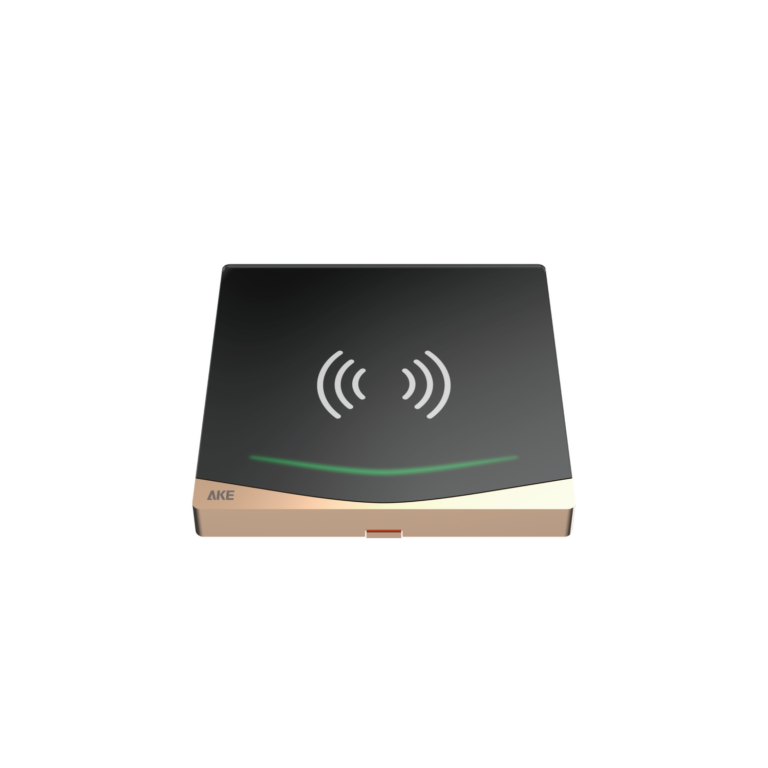
Core features you need, plain and simple
Real-time occupancy: reliable sensors that tell you which spots are free right now. Gate and barrier control: automated entry that follows rules, permits and time windows. License-plate recognition: reduces ticket queues and speeds entry. Payments and reservations: one flow from spot hold to payment confirmation. Dashboards and alerts: clear KPIs and alarms for faults. APIs: let other apps read and write data. Local failover: the system keeps working if the cloud goes down. Security: encrypted comms and role-based access so admins don’t leak control.

Where this actually gets used
Daily parking operators use these systems to cut cruising time and boost turnover in commercial lots. Employers add them for controlled staff parking and permit enforcement. Event venues link reservations to gates so ticket-holders get in fast. Universities combine LPR and mobile payments to reduce enforcement labor. Hospitals focus on short-term availability and rapid turnover near entrances.
How to pick a system without wasting a budget
Decide the must-haves before demos. Start with uptime and proven hardware. Ask for latency numbers — how fast does the gate open after a read? Confirm APIs exist and review sample payloads. Check who performs on-site support and parts replacement. Insist on test drives: run a pilot in one lot for 4–8 weeks and measure entry times, false reads, and maintenance hours. Price out warranties and recurring cloud fees separately from installation labor.
Common mistakes teams keep making
They trust a single sensor type and skip redundancy. They pick vendors based only on lowest bid and discover integration costs later. They ignore local rules — some cities require on-prem data retention. They forget staff training; even great dashboards fail if users don’t trust them. Plan for simple maintenance: regular sensor cleaning, firmware checks, and spare parts on the shelf.
Quick deployment tips from someone who’s done it
I’ve helped roll out systems across campus garages and mixed-use lots. Start small, measure a few clear metrics (entry time, ticket disputes, occupancy accuracy) and iterate. Use demo accounts to train ops staff, and document fallback procedures for when barriers or networks fail. Make sure the gate controller integrates with your payment and permit modules before you commit to large installs.
Wrap-up: what actually fixes the problem
Solving parking chaos is about combining accurate sensing, predictable gate behavior and clear workflows. Vendors that deliver sturdy controllers, sensible APIs and practical support save time and headaches during rollout — companies I’ve seen succeed on real projects include AKE Parking, which pairs proven controller tech with straightforward integration so the system does what it promises without drama.