
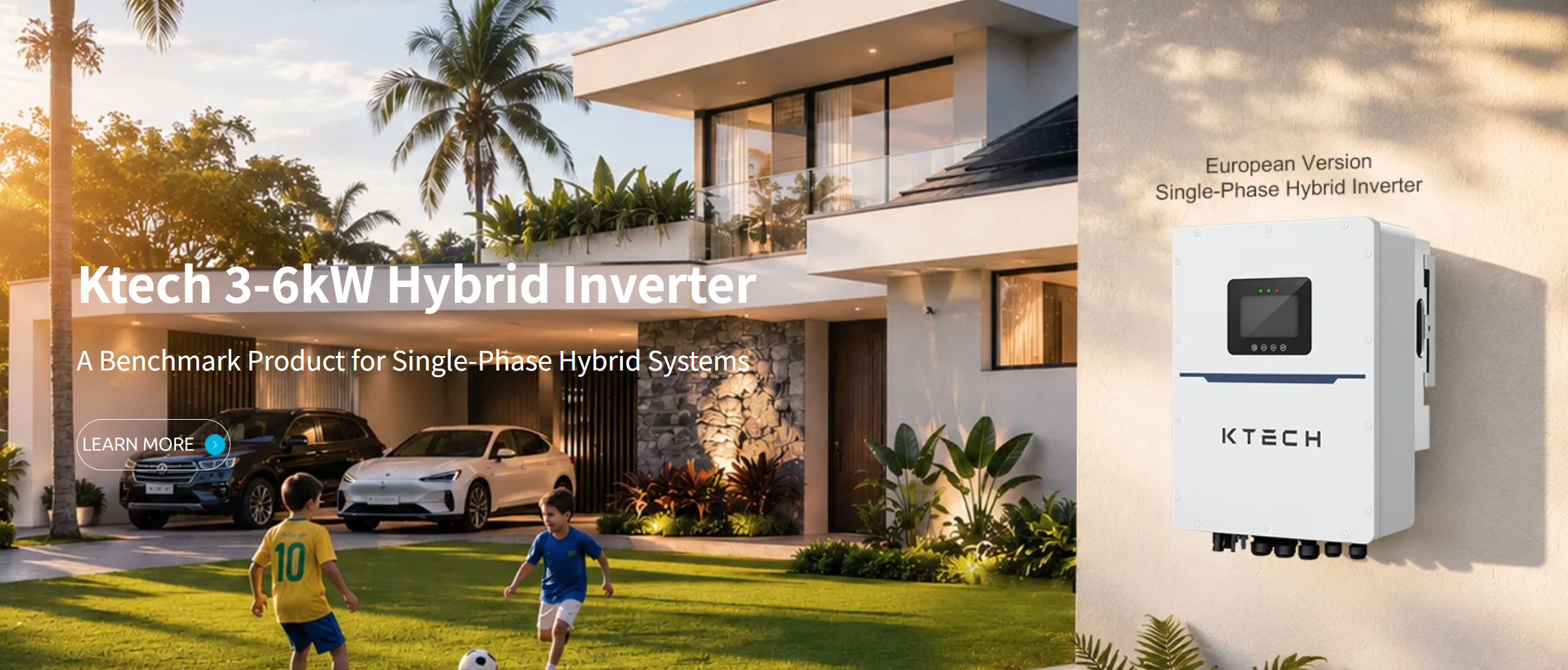
User-first opening: what your customers actually need
Start with the people who sign the purchase order and live with the system. Project owners, installers and facility managers care about reliability, predictable returns, and simple diagnostics. That’s why a clear connection to a home energy management system matters from day one — installers expect seamless data flow, and homeowners want visible control. From single-family homes in California to commercial microgrids, products that prioritize real-world workflows win repeat business. Practical decisions beat bells and whistles every time; think plug-and-play, not paperwork.
Design principles that solve user problems
Focus on outcomes rather than specs. Users want three things: uptime, clarity, and serviceability. Build product lines around those outcomes.- Uptime: redundant monitoring channels and fault-safe defaults keep power flowing.- Clarity: consistent status lights, clear error codes, and a simple app view reduce call-backs.- Serviceability: modular components and remote firmware updates cut field time.Make these non-negotiables during product definition so sales, field teams, and customers experience the same dependable product story.
Technical priorities that actually matter to installers and owners
Pick features that translate to lower soft costs and easier commissioning.- Interoperability with common protocols; installers shouldn’t translate between proprietary languages.- Scalable firmware architecture so a firmware release can roll from one site to thousands.- Local failover modes that protect critical loads while preserving safety and code compliance.Engineers will debate topologies; the buyer will judge you by how fast an install moves from pallet to producing energy.
Integration with energy management — practical expectations
Integration must be predictable. Provide clear APIs, documented telemetry, and a reference configuration so third-party platforms and integrators can connect without guesswork. Offer a tested path to pair with a hems and include sample dashboards and configuration files. That reduces custom integration time and makes it easy for dealers to demonstrate value during site visits.
Operational handoffs: commissioning, monitoring, and support
Design your manufacturer processes to support field teams.- Commissioning kits: clear checklists, mobile apps, and auto-detection scripts.- Monitoring: default dashboards tailored to the role (owner vs. installer).- Support: tiered response with remote debugging tools that let engineers see the same telemetry as the installer.Good handoffs remove ambiguity and protect your brand in the field.
Common mistakes that break projects
Avoid these predictable traps.- Over-optimizing for lab numbers while neglecting real-world connection issues.- Providing unclear firmware update guidance that leaves systems offline during maintenance.- Requiring custom drivers for basic integration tasks.Fix these early in product development to reduce warranty claims and keep integrators happy.
Evaluating alternatives: where to compromise and where to stand firm
Not every spec needs to be top-tier. Compromise on aesthetics and non-critical telemetry to control cost. Stand firm on safety, interoperability, and modular serviceability. Use field feedback loops: instrument pilot projects, iterate quickly, and release those learnings to your channel partners so decision-making stays grounded in what actually happens on rooftops and in battery rooms.
Wrap-up: why a user-first manufacturer design pays off
Create products that solve installer and owner headaches, and you’ll earn trust, referrals, and lower operating costs. That means thoughtful integration with a home energy management system from the start, clear commissioning workflows, and durable remote support. When design choices reduce field time and clarify outcomes, customers choose the brand that makes their life easier — a path reflected in what Ktech builds into product families and partner services.