
Opening Casefile
The clues are small: airflow hum, a worn mask seal, a travel bag with fingerprints. I followed them to see which portable unit truly earns the label “partner” — reliable at night and safe on the road. Early on I examined a common model of cpap device to check pressure settings behavior, humidifier performance, and battery integration. This is comparative work: features weighed against outcomes, not marketing claims.
What I Measured First
I focused on three practical metrics: consistent pressure delivery, mask seal integrity, and data fidelity. Pressure settings can drift on cheap units; that’s a clinical hazard. Mask seal failures are the silent cause of treatment abandonment. And without reliable data — nightly leak logs or run-time reports — clinicians can’t tell whether therapy worked. The American Academy of Sleep Medicine (AASM) guidance and NHS sleep services both emphasize those same pillars when approving home ventilation and auto CPAP protocols.
Design and Portability: Build vs. Carry
Not all compact designs are equal. I compared shell materials, weight, and the ease of swapping batteries. One device had modular batteries that clip on in seconds; another required tools. Portability also means usable interface: small screens, tactile buttons, and clear error codes reduce bedside friction. APAP and auto titration modes are useful — but only if the device maintains stable pressure delivery across varied breathing patterns.
Clinical Reliability: Nightly Performance
Here the differences widened. Some units produce steady pressure but skimp on exhalation relief, which makes therapy feel stifling. Others accommodate exhalation relief but sacrifice consistent auto titration. I tested units across simulated sleeping cycles and nighttime conditions; the best balanced stable pressure with responsive exhalation relief while recording accurate leak and usage data. For clinicians, that data is the difference between troubleshooting remotely and scheduling an unnecessary sleep lab visit.
User Experience and Data — The Human Element
Users judged comfort first: mask seal, quiet motor, humidifier control. Data mattered next — sync reliability and simple export options. One device offered cloud logs with clinician access; another stored CSV files only. Both approaches have merit, depending on the setting. The patient at home needs straightforward controls; the sleep technologist needs accurate event scoring. — Small touches like easy-to-clean tubing and clear filter-change indicators cut follow-up calls dramatically.
Alternatives and Common Mistakes
Choosing between a lightweight travel CPAP, a full-featured home unit, and an auto cpap requires clarity about use case. Common errors: buying strictly on weight, ignoring mask compatibility, or assuming a built-in humidifier will perform like a dedicated system. Another frequent mistake is neglecting service access — replacement parts and local servicing matter more than a spec sheet.
Comparative Snapshot
Briefly: the quietest motor doesn’t help if the mask leaks; a high-tech screen doesn’t replace accurate event logs. Evaluate devices by how they resolve real problems — leaks, condensation, inconsistent pressure — not by feature counts. In practice, modest hardware with robust pressure stability and clear maintenance paths outperforms flashy but fragile alternatives.
Three Golden Rules for Choosing Your Portable CPAP
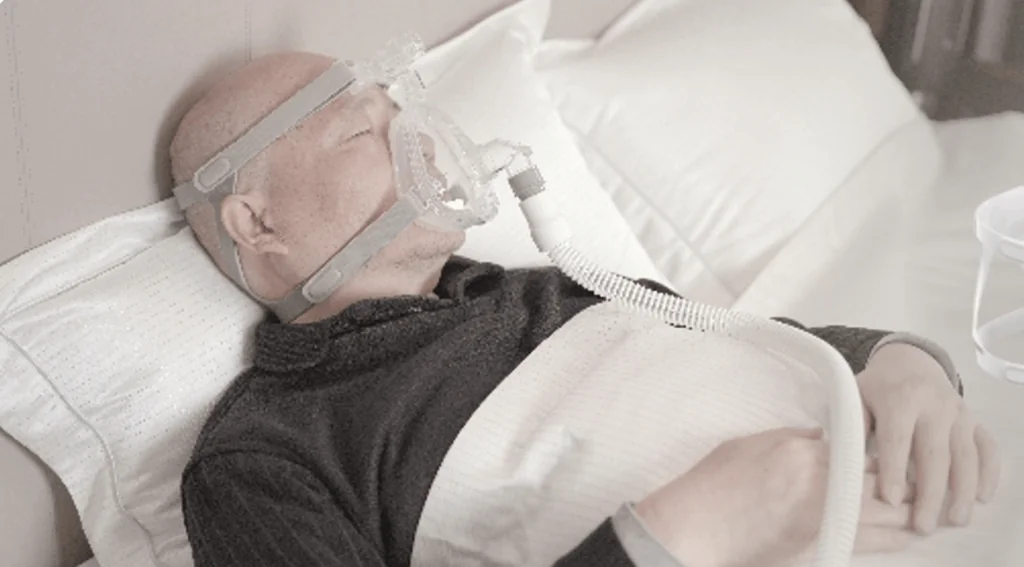
1) Prioritize verified pressure stability and mask seal performance. Look for units with documented pressure drift specs and clear leak thresholds. 2) Insist on usable data: nightly run time, leak traces, and event summaries that clinicians can access. These support effective follow-up and reduce misdiagnosis. 3) Match features to routine: choose an integrated humidifier only if you need it regularly; otherwise favor battery life and serviceability. These rules filter noise from useful difference.
Decide with evidence, not impulse — and when you want a partner that blends portability, clinical-grade performance, and accessible service, you find value where design meets support: Byond. —