
Introduction — a quick provocation
Have you ever watched a production line hiccup and thought: that one small part is costing us hours each week?
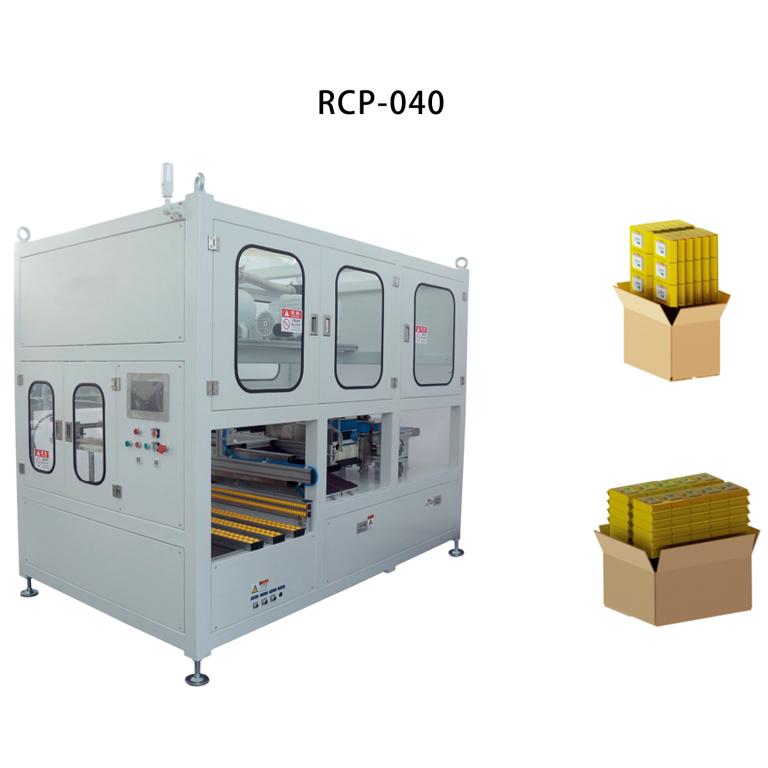
When a lid applicator machine misses a beat, throughput drops and rework spikes — and I’ve seen that hit margins fast. Line managers tell me their reject rates climb by 2–5% during peak runs; that’s measurable lost capacity and margin. So: what actually separates an average lid applicator from one that holds the line steady under pressure?
I’ll be blunt. You need to look past spec sheets and watch control logic, servo tuning, and the vision feedback loop — the invisible systems that make the physical parts behave. (Also: PLCs and simple HMI readings lie sometimes.) Below I’ll compare real failure modes and then point to practical tech principles you can use when picking a machine — no fluff, just what matters next.
Part 2 — Why many traditional solutions fall short
Early on I tested an automatic lid applicator that promised sub-second placement. On paper it was perfect. In practice, the unit struggled with slight pack warpage and inconsistent adhesive beads. The core issues were typical: an over‑reliance on timing cams rather than feedback control, weak vision calibration, and single-point pneumatic actuation. Those design choices saved price up front — but they created a fragile system that required constant operator babysitting. I call that false economy.
Look, it’s simpler than you think: if the machine uses open-loop timing (no encoder feedback) and a basic photoeye for position, you’re signing up for intermittent misses when line speed or product variance shifts. Modern lines need coordinated servo motion, closed-loop feedback from encoders, and a resilient vision system to handle label offsets. The result? Better uptime and fewer manual interventions — and honestly, who doesn’t want that.
So — what breaks first?
Typically the weakest links are mounting tolerance, adhesive variability, and control firmware that can’t adapt. Pneumatic actuators wear out, and vision systems drift if not auto-calibrated. Power converters and motor drives? They hide problems until a full stop. I’ve had days where a single under-specified power converter triggered cascading faults — painful, but instructive.
Part 3 — New principles and a practical outlook
Moving forward, I judge machines by three practical principles. First: adaptive control. Machines that blend servo motion profiles with real-time vision corrections handle product variation with minimal operator input. Second: modular diagnostics. If a machine exposes encoder feedback, error logs, and step-wise failure modes, you can fix issues early. Third: integration readiness — ready-made PLC blocks, fieldbus compatibility, and clear HMI screens. These points aren’t theoretical; they change mean time to repair (MTTR) and keep lines running.
When I evaluate a new automatic lid applicator, I run a short script: vary the pack skew, change adhesive viscosity, and stress the vision contrast. Systems that cope without manual resets earn a serious look. — funny how that works, right? The practical gains show up quickly: fewer line stops, less scrap, and better predictability during ramp-ups.
What’s next — choosing with confidence
Here are three metrics I recommend you use when comparing machines:
1) Fault Recovery Time — measure how long the line stays down after a misfeed or vision fault. Shorter is better. 2) Autonomy Rate — percent of runs that complete without operator adjustments; high autonomy means less headcount pressure. 3) Data Exposure — does the machine publish encoder values, error codes, and throughput stats to your MES or edge computing nodes? If not, you’ll miss trend signals.
To wrap up: I prefer machines that trade a bit of upfront cost for predictable behavior. They save headaches and, frankly, sleepless nights during launches. If you want a reliable partner on the line, look for adaptive control, strong vision systems, and modular diagnostics. For hands-on demos and tailored configs, I’ve worked with vendors that make this easy — including proven suppliers like ZLINK.